
Silky bluegrass
Dichanthium sericeum (R. Br.) A. Camus
Description
Growing requirements
Silky bluegrass (Dichanthium sericeum) is a prominent perennial grass belonging to the Poaceae family. Native to Australia, it is a key species in many grassland ecosystems, valued for its ability to thrive under various environmental stressors.
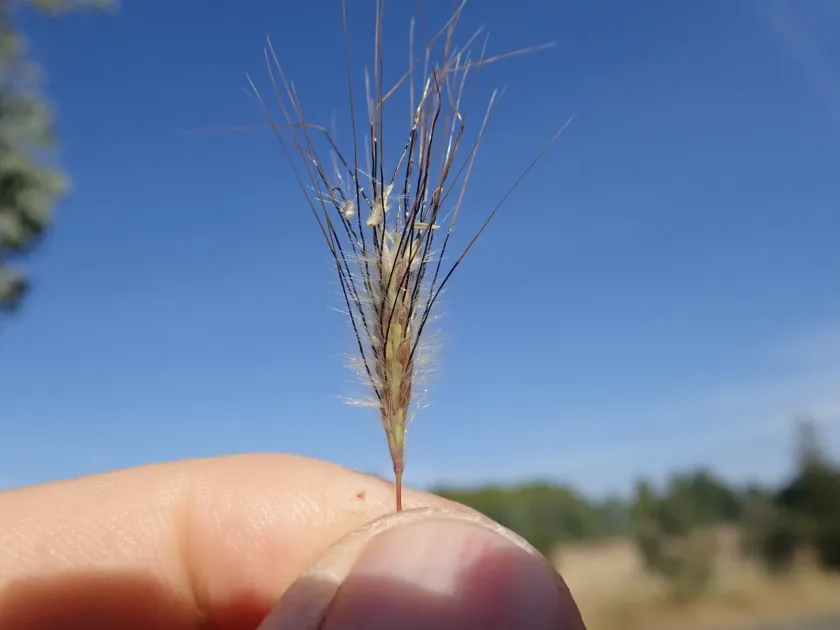
Botanically, the plant is recognized by its silky-haired racemes, which give it a distinctive appearance. It typically grows as a bunch-type grass, with narrow leaves that provide excellent cover and forage quality for grazing livestock throughout the growing season.
The species is remarkably adaptable to a wide range of soil types, particularly heavy clays where other forage species might struggle. It is noted for its tolerance to periodic waterlogging, allowing it to survive in flood-prone landscape depressions.
In terms of climate, Silky bluegrass requires warmth to reach its full growth potential. It is highly drought-tolerant during dormant phases, but it shows rapid biomass accumulation following summer rainfall, making it a reliable source of feed.
Agricultural use is centered on permanent pastures. Due to its high palatability and nutritional value, particularly in the vegetative stage, it is highly sought after for cattle and sheep production in subtropical regions.
Main diseases and pests
Fungal diseases, especially leaf rust, represent a primary threat during periods of high humidity. These infections can significantly reduce leaf surface area, thereby impacting the photosynthetic efficiency and biomass yield of the stand.
Insect pests, including grass caterpillars and certain grasshoppers, can cause localized damage to foliage. Integrated Pest Management (IPM) strategies are essential to maintain crop health during peak growth periods.
Weed encroachment is a common challenge during the establishment phase. Proper site preparation and controlled grazing management are necessary to ensure the dominance of the desired species over competitive weeds.
Overgrazing poses a major long-term threat to the survival of the plant. Maintaining an appropriate stocking rate is critical for allowing the plant sufficient recovery time to replenish energy stores in the roots.
Nutrient deficiency, particularly regarding nitrogen and phosphorus in depleted soils, can lead to stunted growth. Periodic soil testing and light fertilization may be required to sustain high productivity levels in intensively grazed areas.