
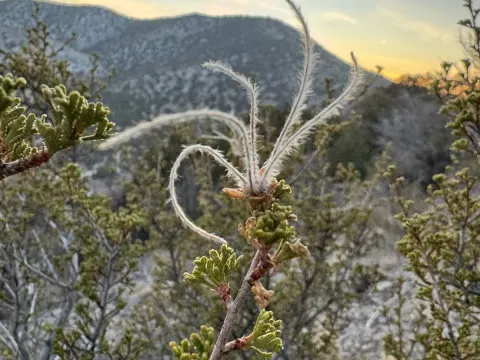
Purshia
Purshia
Purshia is a genus of flowering shrubs belonging to the Rosaceae family, native to the arid and semi-arid regions of western North America. These plants are well-known for their exceptional ability to thrive in extreme environments where most ornamental or agricultural crops would fail.
What the section contains


Purshia
The cultural requirements for Purshia center on well-draining soil. It thrives in rocky, sandy, or gravelly substrates with minimal organic matter. Excellent drainage is essential, as the roots are highly susceptible to rot when exposed to prolonged dampness or stagnant water conditions.
As a sun-loving plant, Purshia requires full exposure to solar radiation. It is a classic choice for xeriscaping, as it maintains its vigor through extended droughts and extreme heat, requiring little to no supplemental irrigation once the root system is established.
One of the most remarkable botanical features of this plant is its ability to fix atmospheric nitrogen through symbiotic relationships with actinomycete bacteria. This characteristic allows Purshia to play a vital role in soil enrichment, making it an excellent candidate for land reclamation.
Climatic adaptability is another core strength of the genus. These shrubs are capable of enduring severe winter frosts and high diurnal temperature variations, reflecting their natural distribution across diverse landscapes ranging from desert plains to high-altitude slopes.
While hardy, Purshia can be susceptible to fungal pathogens that manifest when humidity levels remain high for extended periods. Maintaining proper air circulation around the canopy is the most effective preventative measure against such diseases.
Pests such as aphids may occasionally congregate on new growth, especially during wet springs. While rarely fatal, heavy infestations can weaken the shrub, necessitating cautious management that preserves the beneficial insects and the soil's microbial health.
Wildfires pose a significant threat to established stands, as many species within the genus are not fire-tolerant and lack the ability to sprout back after significant heat damage. Protection from fire is critical for long-term survival in natural habitats.
Invasive weed species often outcompete young Purshia seedlings for water and nutrients. During the initial growth stages, site preparation and careful weeding are necessary to ensure the shrub establishes a dominant root system.
Over-fertilization, particularly with high-nitrogen synthetic fertilizers, can be detrimental to the plant. It disrupts the natural nitrogen-fixing symbiosis and can lead to succulent, weak growth that attracts additional pests and reduces the plant's natural resilience.