
Purshia glandulosa
Purshia glandulosa
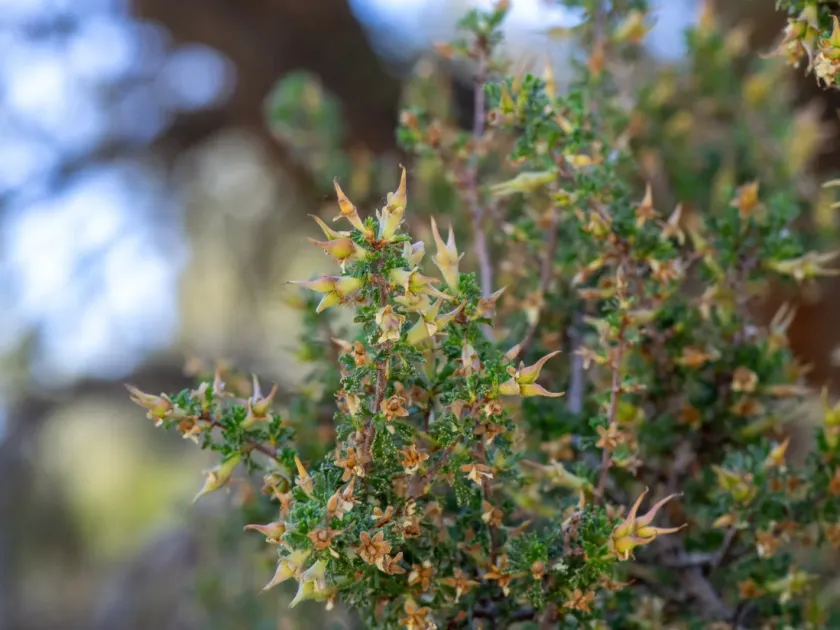
Description
Growing requirements
Purshia glandulosa, commonly known as desert bitterbrush, belongs to the Rosaceae family. It is a perennial shrub native to the southwestern United States, primarily inhabiting arid regions, slopes, and desert scrub communities.
Botanically, the plant is distinguished by its small, glandular, resinous leaves that emit a pleasant scent. It typically grows as a dense, woody shrub with small, fragrant flowers that bloom in the spring, providing essential resources for local pollinators.
Requirements for successful growth include exceptionally well-drained soils, typically rocky or sandy, with a neutral to alkaline pH. The plant is highly intolerant of waterlogged conditions and requires a location with maximum sunlight exposure to maintain its health and structural integrity.
Agronomic management is minimal, focusing mainly on the initial establishment phase. Once the root system is well-developed, Purshia glandulosa can survive with almost no supplemental irrigation, as it is perfectly adapted to the low-water cycles of high-desert climates.
Its primary хозяйственное use lies in restoration ecology and land reclamation. Due to its deep root system, it is an excellent species for stabilizing slopes and preventing wind and water erosion in degraded landscapes or arid project sites.
Main diseases and pests
The primary threats to Purshia glandulosa include root rot pathogens, such as Phytophthora, which thrive in conditions of excessive soil moisture. Maintaining a strict drainage regimen is the most effective way to prevent these detrimental infections.
Pests are generally limited due to the resinous coating on the foliage; however, aphids and certain types of defoliating insects can occasionally infest the plants. Management usually involves localized treatments or monitoring rather than widespread chemical application.
Environmental stress, particularly prolonged high humidity, can lead to physiological decline. This makes the plant unsuitable for regions with high summer rainfall, where it may succumb to various opportunistic fungal diseases that attack the bark and vascular system.
Wildlife browsing, especially by deer or rodents during severe winter periods, can threaten young plants. Implementing physical barriers or protective mesh is recommended in areas where animal pressure is high during the establishment stage.
Proper sanitation, including the removal of deadwood and infected branches, is essential for long-term health. Because the plant is slow-growing, mechanical damage should be minimized to allow for natural recovery without introducing site-specific pathogens.