
Antelope bitterbrush
Purshia tridentata
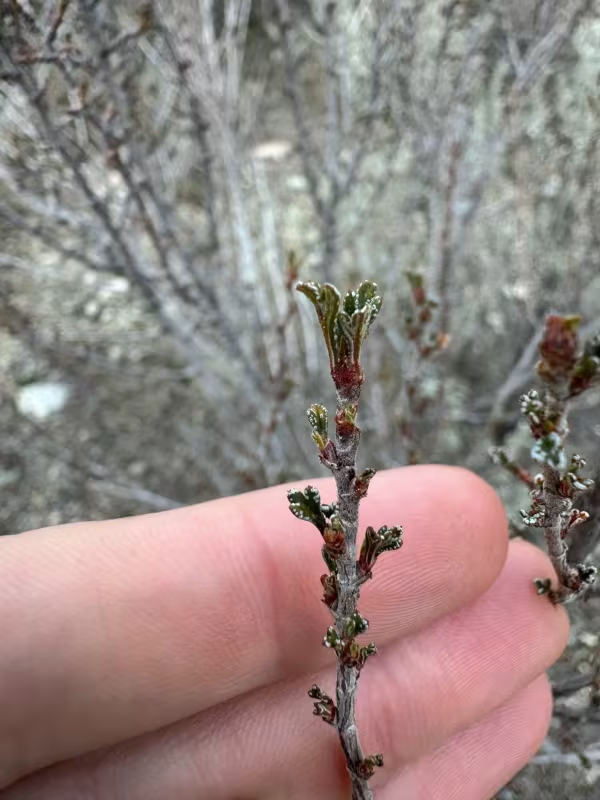
Description
Growing requirements
Antelope bitterbrush (Purshia tridentata) is a long-lived shrub species belonging to the Rose family (Rosaceae). It is native to the western regions of North America, where it thrives in arid shrublands, plateaus, and mountainous foothills.
The species is exceptionally well-adapted to harsh environmental conditions. It demonstrates remarkable tolerance to prolonged drought and is capable of surviving in regions with low annual precipitation, often serving as a pioneer species in challenging desert-like environments.
In terms of soil requirements, Purshia tridentata performs best in well-drained, sandy, or gravelly soils. It is highly adaptable to low-nutrient substrates, which makes it an ideal candidate for erosion control and the revegetation of degraded or reclaimed lands.
A key physiological advantage of this shrub is its ability to engage in symbiotic nitrogen fixation. This allows the plant to flourish in impoverished soils while simultaneously improving soil health, which is crucial for ecological restoration projects.
Economically and ecologically, bitterbrush is a vital resource. It provides essential winter forage for wildlife such as mule deer and pronghorn, and it plays a significant role in maintaining soil stability in erosion-prone terrain.
Main diseases and pests
Wildfire is the most significant threat to bitterbrush populations. Unlike many other shrub species, Purshia tridentata lacks the ability to sprout from the root crown after being severely burned, often resulting in high mortality following fires.
Various insect pests, particularly lepidopteran larvae, can cause significant damage to the foliage. In years of heavy infestation, these insects may defoliate entire bushes, hindering the plant's photosynthetic capacity and overall vigor.
Root rot pathogens represent a latent threat, particularly in soils with poor drainage. Maintaining an appropriate hydrological regime is critical to prevent the colonization of the root system by soil-borne fungal pathogens.
Overgrazing by domestic livestock presents a major obstacle to natural regeneration. Continuous browsing of new growth depletes the plant's energy reserves and prevents the establishment of new seedlings in the landscape.
Effective management requires a combination of fire suppression strategies and controlled grazing practices to ensure the long-term sustainability of bitterbrush stands in their natural habitats.