
Psiadia laurifolia
Psiadia laurifolia
Description
Growing requirements
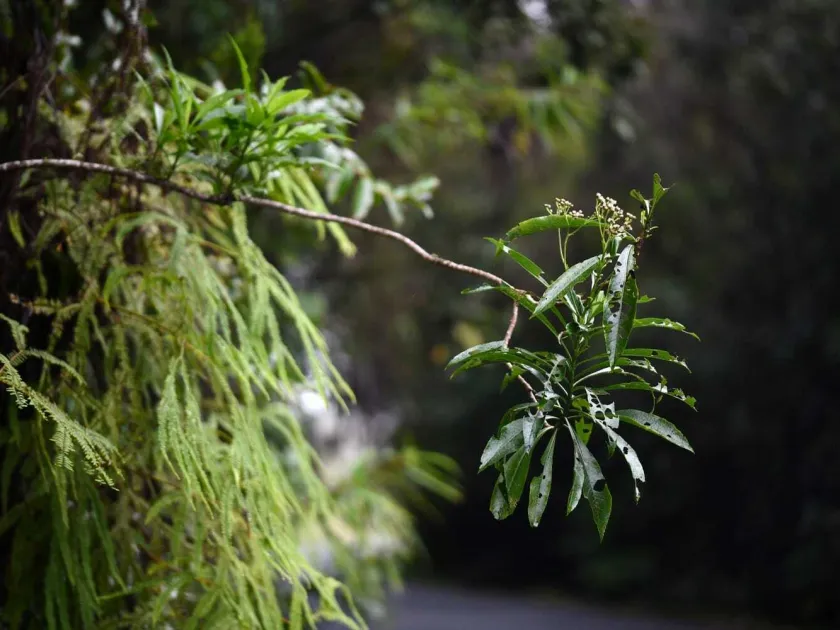
Psiadia laurifolia is an evergreen shrub belonging to the Asteraceae family. Its botanical profile is characterized by dense, woody stems and leathery, lance-shaped leaves that resemble bay leaves, contributing to its scientific and common naming conventions.
Originating from the islands of the Indian Ocean, this crop thrives in tropical environments. It is adapted to regions with consistent warmth and high relative humidity, which are essential factors for maximizing the plant's vegetative growth and overall health in commercial cultivation.
Successful cultivation requires soil that is rich in organic matter and highly porous. Proper soil drainage is non-negotiable, as waterlogging is the primary cause of plant death in agricultural settings. Growers should ensure a pH range close to neutral for optimal nutrient absorption.
The plant requires significant sunlight to maintain its vigor but benefits from light shading during the peak of the tropical sun. Maintenance practices focus on systematic pruning to manage plant size and density, which facilitates better light penetration into the center of the crown.
In terms of economic value, Psiadia laurifolia is primarily cultivated for the chemical industry. Its leaves contain unique essential oils and therapeutic compounds that are extracted for use in medicine, aromatherapy, and high-end cosmetic formulations.
Main diseases and pests
Common pests affecting this crop include aphids and scale insects, which cluster on the younger stems. Integrated pest management strategies, involving both mechanical removal and the introduction of beneficial predatory insects, are highly recommended for large-scale operations.
Fungal infections, particularly root rot caused by Phytophthora species, represent a major threat when irrigation management is poor. Maintaining strict sanitation of equipment and ensuring that the irrigation cycles are strictly controlled are the best defenses against these pathogens.