
Psiadia boivinii
Psiadia boivinii
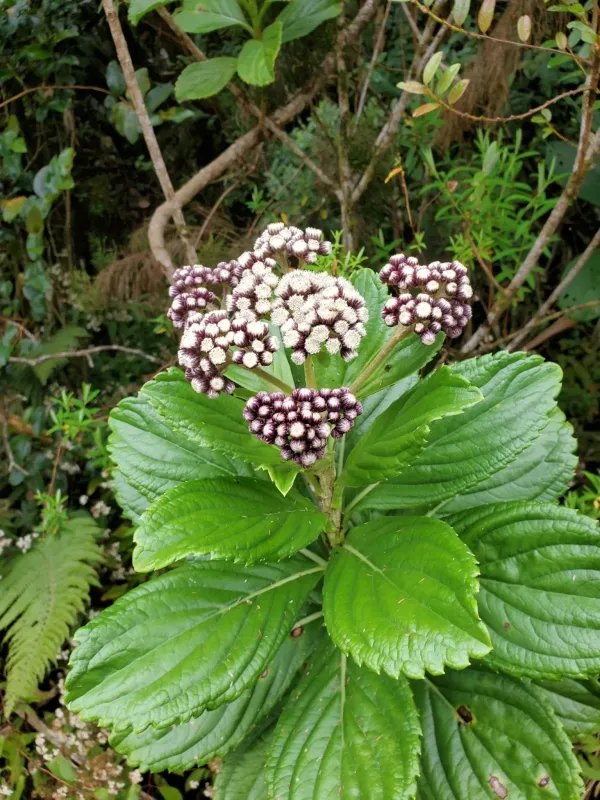
Description
Sowing dates
Psiadia boivinii is a perennial shrub species belonging to the Asteraceae family. It is a native plant primarily found in the Mascarene Islands, where it thrives in specific island microclimates.
Propagation of the crop is typically achieved through seeds, which require a well-drained, nutrient-rich substrate to initiate successful germination and early development.
For large-scale cultivation, seeds are sown in protected nurseries to ensure consistent moisture and protection from extreme weather before transplanting into open fields.
The spacing between plants is crucial, as the shrub is known to develop a spreading habit, which requires enough room for maximum airflow and structural stability.
Proper bed preparation involving light fertilization helps establish the crop, allowing for strong root growth that sustains the plant during its productive years.
Growing requirements
The crop prefers a tropical, maritime climate characterized by moderate temperatures and relatively high humidity, mimicking its native habitat conditions.
Optimal soil conditions include well-aerated, loamy, or sandy-loam structures with a neutral pH level, which prevents moisture retention that can damage the root system.
Psiadia boivinii is highly photophilic and requires direct exposure to sunlight to facilitate the biochemical processes necessary for the development of its aromatic profile.
Temperature management is key; the plant performs best at temperatures ranging from +20°C to +28°C, and it is sensitive to prolonged cold or frost.
Regular irrigation is necessary during dry spells, but a strict drainage policy must be followed to avoid waterlogging, which often leads to root fungal infections.
Yield
The main commercial value of Psiadia boivinii lies in its foliage and young stems, which are rich in essential oils used extensively in perfumery and pharmaceutical industries.
Annual yields depend heavily on the frequency of trimming, as selective pruning stimulates the production of tender, oil-dense shoots, maximizing overall crop biomass.
Efficient harvesting cycles, coupled with precise nutrient management, allow farmers to maintain a consistent output of raw material throughout the year.
The quality of the oil extracted is significantly influenced by the maturity of the harvested shoots and the post-harvest handling processes implemented by the growers.
With correct field management, this crop remains highly productive for several consecutive years, offering a reliable income source for specialized agricultural operations.
Main diseases and pests
Typical threats to Psiadia boivinii include sap-sucking insects like aphids and scale insects that cluster on tender stems and hinder the plant's overall growth.
Fungal issues, such as powdery mildew, may arise in high-humidity areas with poor air circulation, necessitating regular monitoring and preventive foliage treatment.
Root rot is the most serious threat, usually associated with inadequate soil drainage or over-watering, which can rapidly destroy an entire plantation if not managed.
Integrated Pest Management (IPM) strategies are recommended, focusing on biological controls to maintain the organic integrity of the harvested essential oils.
Early identification of infected branches and immediate removal are standard agricultural practices to contain outbreaks and preserve the health of the entire field.
Harvesting
Harvesting involves the strategic pruning of the upper sections of the plant, focusing on foliage that contains the peak concentration of essential oils.
The best time to harvest is during the early morning hours to minimize the natural evaporation of volatile compounds, ensuring a higher oil recovery rate during extraction.
Once harvested, the raw biomass should be transported to the processing facility without delay to prevent the degradation of aromatic components due to enzymatic activity.
Drying processes must be carried out in a controlled, shaded environment to preserve the chemical complexity and quality of the final essential oil product.
Post-harvest care includes site cleanup and the application of fertilizers to replenish soil nutrients and encourage rapid regeneration of new vegetation for the next harvest cycle.