
Wingpod purslane
Portulaca umbraticola Kunth
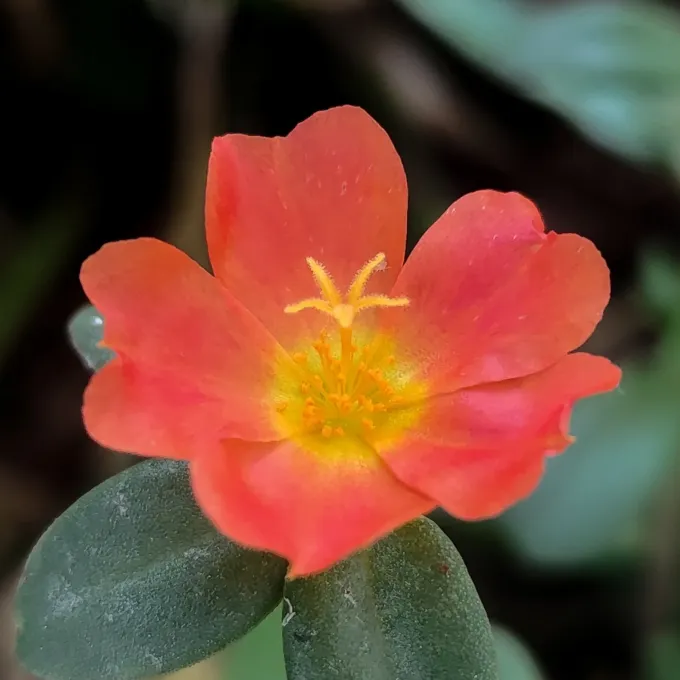
Description
Sowing dates
The sowing of wingpod purslane seeds is typically performed in early spring under protected conditions, such as a greenhouse or a warm indoor tray.
Due to the extremely small size of the seeds, they should be sown on the surface of a fine-textured, porous growing medium without covering them with soil.
High temperatures are crucial for germination, preferably between 22 and 26 degrees Celsius, combined with consistent surface moisture maintained by misting.
Seedlings should be transplanted into individual pots once they develop their first set of true leaves, ensuring that each plant has enough space for development.
The final transplantation into the open field must occur only after the last risk of frost has passed, as the plant is extremely sensitive to low temperatures.
Growing requirements
Wingpod purslane, known scientifically as Portulaca umbraticola, is a member of the Portulacaceae family, characterized by its fleshy leaves and stems.
This crop is highly adapted to arid environments and performs best in well-draining sandy or loamy soils with low fertility levels, as excess nutrients can be detrimental.
Despite its name, the plant is primarily a sun-loving species that thrives in full exposure, although it maintains a neater appearance in partial shade compared to other succulents.
Watering requirements are generally low; the plant possesses excellent water-storage mechanisms, making it suitable for areas experiencing periodic drought.
Proper spacing is essential to prevent overcrowding and ensure adequate airflow, which is a critical factor in preventing moisture-related plant disorders.
Main diseases and pests
The most significant threats to wingpod purslane are fungal infections that arise from poor soil drainage and stagnant water around the root zone.
Pests such as aphids and spider mites are common, particularly in dry and hot conditions, where they can quickly overwhelm young, succulent tissues.
Integrated pest management strategies are recommended, focusing on maintaining plant vigor through correct cultural practices and targeted biological controls.
Crop rotation should be avoided or carefully planned if the land has previously hosted other members of the Portulacaceae family to prevent pathogen accumulation.
Early detection and immediate removal of affected plant parts help prevent the spread of diseases, ensuring the health and productivity of the entire planting area.