
Purslane
Portulaca oleracea L. x Portulaca umbraticola Kunth
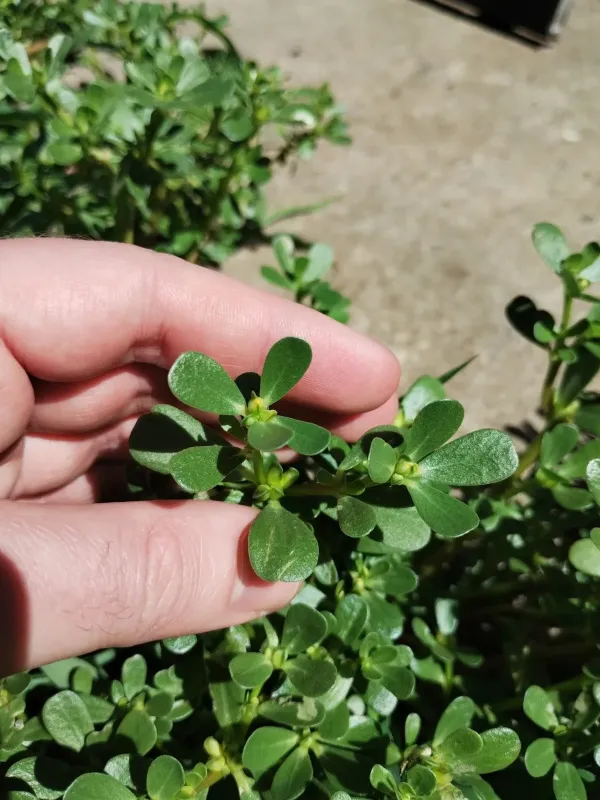
Description
Sowing dates
Purslane is a highly thermophilic crop that requires stable, warm temperatures to germinate, typically above 18-20°C, making it a classic warm-season vegetable.
Direct seeding in the field should only occur once the threat of frost has completely passed and the soil has warmed sufficiently for active root development.
The seeds are extremely small, necessitating a shallow sowing technique where they are lightly pressed into the soil surface rather than buried deep to receive light.
For growers in colder regions, starting seeds in greenhouses 4-6 weeks before the final frost date is a recommended strategy to maximize the harvest window.
Proper row spacing, usually about 30 cm apart, is essential to ensure adequate airflow and reduce the humidity levels that can potentially lead to fungal pathogens.
Growing requirements
Belonging to the Portulacaceae family, this plant is famously drought-tolerant but thrives best under consistent moisture when grown specifically for its tender leafy greens.
It prefers well-drained, fertile soils with a high organic content, though it can adapt to various soil types provided there is no risk of waterlogging.
Full sun exposure is a non-negotiable requirement for purslane, as it is a succulent that synthesizes nutrients and develops its signature crisp texture only in high light.
The plant grows most aggressively at temperatures between 22°C and 28°C; any significant drop below 15°C will severely stunt its growth and metabolic processes.
Good soil structure and aeration are vital; compact soils prevent the development of its fibrous root system and negatively impact the overall yield of the crop.
Yield
The yield of purslane is highly dependent on light intensity and nitrogen availability, which encourage the rapid production of succulent, edible foliage.
Under optimal management, a producer can harvest multiple cuts throughout the summer, yielding several kilograms of fresh greens per square meter of cultivation area.
Regular harvesting acts as a stimulant for the plant, encouraging it to produce new lateral shoots and extending the productive life of the crop throughout the season.
Effective weed control is a critical component of maximizing yields, as young purslane plants are not competitive against fast-growing common field weeds.
Continuous successional planting every two to three weeks allows for a steady supply of high-quality produce, which is highly valued in both home and market gardens.
Main diseases and pests
The most common issues for purslane are related to excess moisture, which can cause root rot and damping-off, especially in poorly ventilated greenhouse environments.
Aphids are the most significant pest, often colonizing the tender growing tips of the plants and reducing the overall aesthetic and market quality of the harvest.
Maintaining proper plant spacing and avoiding overhead irrigation during humid weather are the best cultural practices for preventing the spread of diseases.
While the plant is quite hardy, soil-borne fungi can become a problem in monoculture systems where the same plot is used for several consecutive years.
Integrated pest management, including the use of neem oil or insecticidal soaps, is usually sufficient to handle minor aphid infestations without chemical reliance.
Harvesting
Harvesting usually commences about 4 weeks after sowing, when the plants have formed a healthy rosette of leaves that are tender and succulent to the touch.
The preferred method involves cutting the stems with a sharp knife about 2-3 cm above the soil level, which allows for the rapid regeneration of new, edible shoots.
Post-harvest handling is critical, as purslane foliage is delicate and prone to wilting; immediate cooling is recommended to preserve its crisp texture and nutritional value.
Properly cooled purslane can retain its quality for about a week if stored in moisture-proof packaging within a controlled, cool environment or a standard refrigerator.
If harvesting for seeds, growers should monitor the seed pods closely as they mature to prevent them from bursting and scattering seeds throughout the cultivation area.