
Portulaca grandiflora
Portulaca grandiflora Hook.
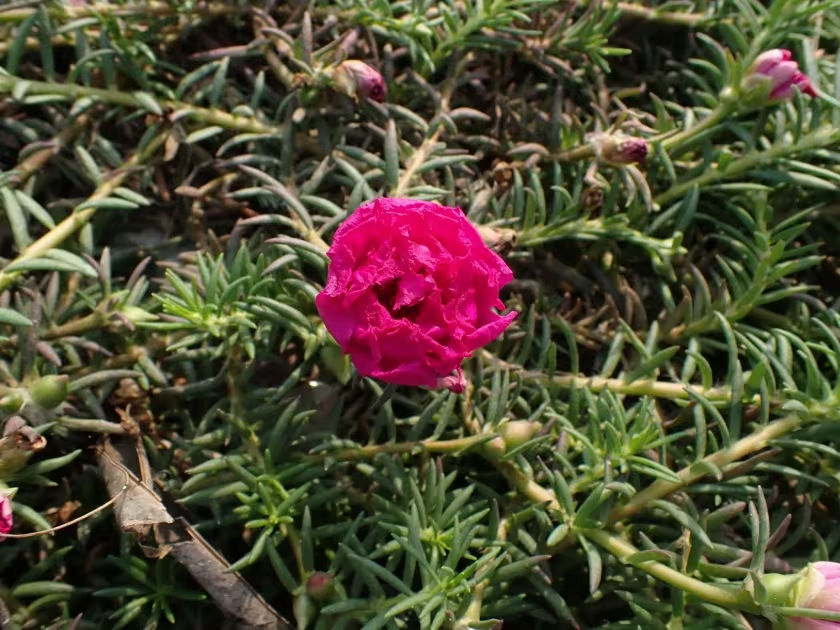
Description
Sowing dates
Portulaca grandiflora, commonly known as moss rose, is a succulent annual in the Portulacaceae family. It is best started indoors in late winter or early spring, about 6-8 weeks before the last frost date, to ensure a long flowering season.
The seeds are extremely small and require light to germinate. They should be scattered on the surface of the growing medium and pressed gently without being covered by soil. Keep the container in a warm, sunny location to promote germination.
When sowing outdoors, wait until the soil has thoroughly warmed up. Portulaca thrives in temperatures above 20 degrees Celsius. Ensure the chosen site is in full sun, as the flowers will not open in shade or during cloudy days.
For container gardening, use a well-draining potting mix specifically formulated for cacti or succulents. This prevents the moisture retention that can lead to rot in the plant's delicate root system.
Once established, the seedlings are robust, but they require thinning to provide enough space for their trailing growth habit. Adequate spacing is crucial for keeping the plants healthy throughout the summer months.
Growing requirements
This species is highly drought-tolerant and thrives in poor, sandy, or rocky soils where other flowers might struggle. It is an excellent choice for xeriscaping or rock gardens where soil fertility is low.
Sunlight is the most critical requirement for Portulaca grandiflora. The plant needs at least 6 to 8 hours of direct sunlight every day to produce its signature vibrant, rose-like blooms.
Watering should be done only when the soil has dried out significantly. While the plant stores moisture in its fleshy leaves, consistent but light watering during extreme heat waves helps maintain maximum flower production.
Fertilization is rarely necessary. In fact, providing too much nitrogen-rich fertilizer will result in lush foliage growth while drastically reducing the number of flowers produced by the plant.
Good drainage is non-negotiable. If planting in heavy soils, incorporate grit or coarse sand into the area to improve aeration and water movement, ensuring that the roots remain healthy and rot-free.
Main diseases and pests
Aphids are the most common pest associated with moss rose. These small insects tend to cluster on the tender tips of the stems, sucking the plant's sap and potentially causing stunted growth or flower deformities.
Fungal diseases, such as root rot and leaf spot, are the primary health threats to this plant. They are almost always caused by overwatering or poor drainage, which creates an environment where pathogens can flourish.
Slugs and snails may attack the succulent foliage, especially after rain. Using physical barriers like copper tape or crushed eggshells around the base of the plant can provide effective protection against these garden mollusks.
If fungal issues are spotted, remove the infected parts of the plant immediately and improve air circulation by spacing out the plants. Avoid overhead watering to keep the foliage dry and reduce disease transmission.
Maintaining a clean garden environment by removing weeds and debris helps in reducing the population of pests and keeps the plant vibrant. Regular monitoring is key to preventing major damage to your flower beds.