
Pomaderris phylicifolia
Pomaderris phylicifolia
Description
Growing requirements
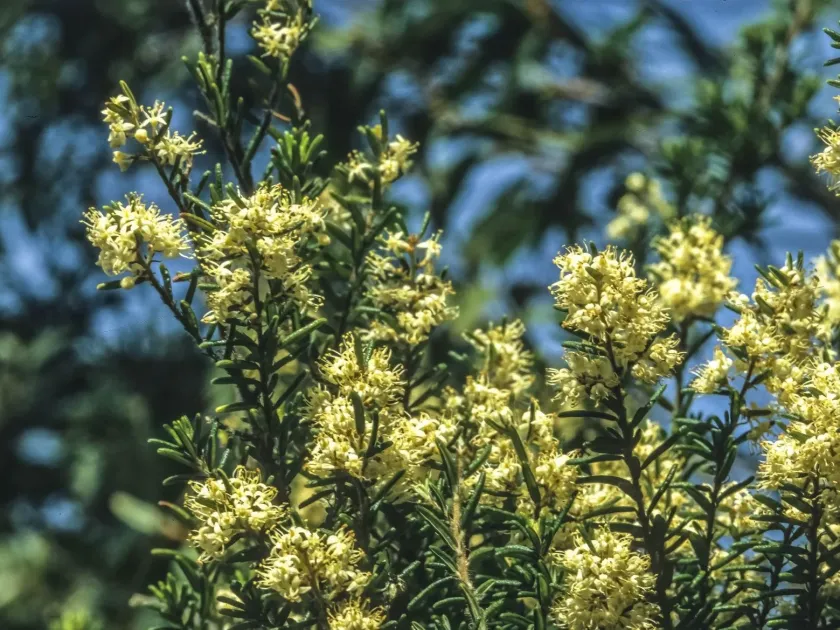
Pomaderris phylicifolia is a hardy evergreen shrub belonging to the Rhamnaceae family. Native to southeastern Australia, this plant is characterized by its narrow, phyllode-like foliage and clusters of small yellow flowers that bloom in late spring.
The cultural requirements of this species include well-draining soil and a sunny or partially shaded location. It thrives in various soil types, ranging from sandy loams to light clays, provided that the water drainage is excellent to prevent root rot.
Climate tolerance is moderate, with the plant preferring temperate conditions. While it can withstand light frost, prolonged exposure to freezing temperatures may cause damage to the upper branches, requiring protective measures in colder zones.
Agronomic maintenance involves periodic pruning after the flowering season to encourage bushier growth and maintain a neat appearance. Light fertilizing with slow-release formulas is recommended during the active growing phase in spring.
Economically, this species is primarily used in landscape architecture for its aesthetic appeal. It is highly favored in xeriscaping projects and native plant gardens due to its low maintenance needs once established.
Main diseases and pests
Like many native Australian shrubs, Pomaderris phylicifolia is susceptible to root pathogens if planted in waterlogged soils. Phytophthora species are a common risk factor that can lead to rapid wilting and plant death.
Insect pests such as aphids and scale insects are common occurrences. These pests typically congregate on new, tender growth and can be managed through natural predators or targeted horticultural soaps if an infestation occurs.
Fungal leaf spots can manifest under conditions of poor air circulation and high ambient humidity. Ensuring proper spacing between plants is an effective preventive measure to maintain foliage health and reduce pathogen transmission.
Drought stress, while less common for this species, can impact overall vigor if experienced during the peak of summer. Regular mulching around the root zone helps retain moisture and regulate soil temperature, protecting the root system.
Routine inspections are essential for early detection of potential threats. By maintaining a clean growing environment and monitoring plant vigor, growers can successfully cultivate this species for many years.