
Pomaderris apetala
Pomaderris apetala
Description
Growing requirements
Pomaderris apetala, commonly known as Tasman dogwood or common dogwood, is a perennial evergreen shrub belonging to the Rhamnaceae family. It is native to southeastern Australia and is particularly prevalent across the island state of Tasmania.
The plant thrives in temperate climates and is highly adaptable to various soil types, provided they are well-draining. While it prefers moist, fertile substrates, it can tolerate slightly drier conditions once established in the landscape, showcasing its environmental resilience.
Regarding light exposure, the shrub is versatile, growing successfully in full sun to partial shade conditions. However, in regions with intense summer heat, light afternoon shade is recommended to prevent leaf scorch and maintain the plant's vibrant green foliage throughout the season.
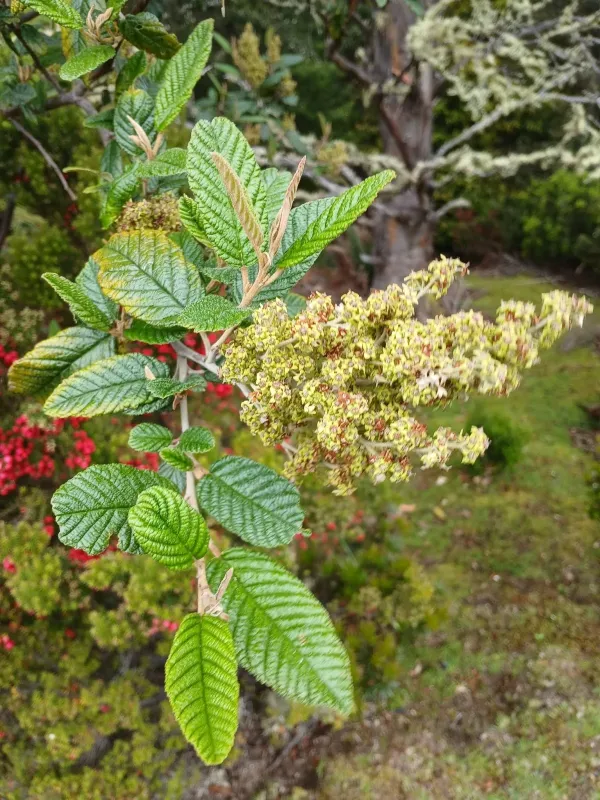
Botanically, it features alternate, ovate to oblong leaves with prominent veins and a characteristic velvety texture on the underside. Its flowers are small and petal-less, appearing in branched terminal clusters that add subtle texture to the garden environment during the flowering period.
In terms of practical application, it is extensively used in revegetation projects, windbreaks, and as a hedge component. Its dense growth habit provides an excellent habitat for local fauna, contributing to the biodiversity of the managed plots or natural areas where it is planted.
Main diseases and pests
The species is generally robust and free from serious pests, but it remains susceptible to environmental stress. The most common issues arise when the shrub is planted in heavy, waterlogged soil, which inevitably triggers root rot caused by soil-borne pathogens.
Foliar pests like aphids and scale insects occasionally infest the plant, particularly in sheltered or poorly ventilated environments. These pests can weaken the shrub if their populations are not monitored, leading to stunted growth of younger terminal shoots.
Powdery mildew can occasionally affect the leaves during seasons of high humidity and moderate temperatures. This fungal disease creates a white, powdery coating on the surface of the leaves, reducing the plant's ability to photosynthesize effectively.
Regular maintenance, including strategic pruning, is the best defense against these threats. Removing crowded branches increases internal airflow, which discourages fungal growth and makes it harder for insect populations to establish permanent colonies.
For chemical or biological control, integrated pest management (IPM) practices are encouraged. Growers should prioritize the use of horticultural oils for aphids and maintain optimal irrigation schedules to prevent the moisture levels that promote fungal outbreaks.