
Pomaderris kumeraho
Pomaderris kumeraho
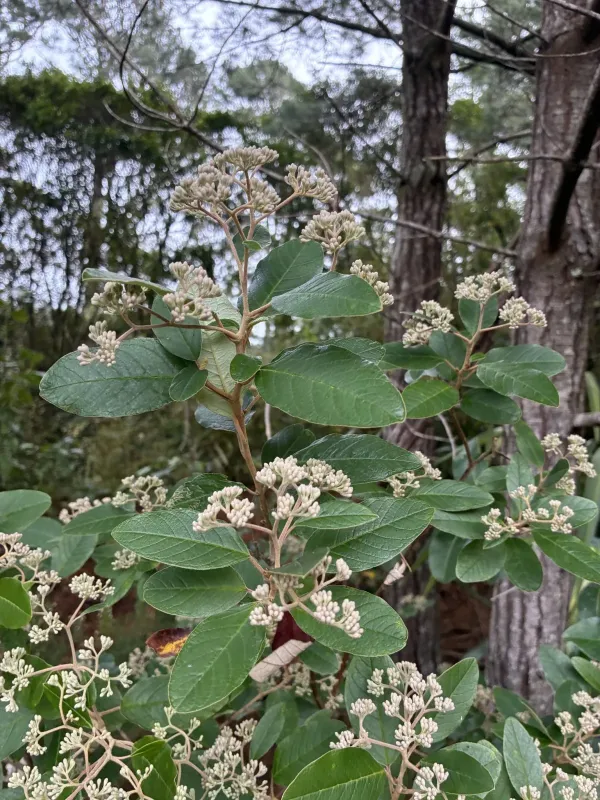
Description
Growing requirements
Pomaderris kumeraho is an evergreen shrub belonging to the Rhamnaceae family, endemic to the North Island of New Zealand. In its natural habitat, it is a significant plant known for its vibrant yellow flower clusters that appear in late winter and spring.
The crop requires free-draining, slightly acidic soil to thrive. It is particularly sensitive to waterlogging, as the roots are prone to oxygen deprivation and subsequent fungal decay if the soil remains constantly saturated or lacks proper drainage structure.
Environmental conditions should mimic a mild oceanic climate. It is a light-demanding species that performs best in full sun or light shade, provided it is shielded from harsh, drying winds that can cause physical damage to its relatively brittle foliage and branches.
Regarding agronomic management, minimal fertilizer input is required, especially phosphorus-based fertilizers, as the plant is adapted to nutrient-poor soils. Mulching around the base, while keeping the stem clear, helps maintain soil moisture stability during dry spells.
Horticultural and medicinal uses remain the primary focus for this species. It is widely recognized in New Zealand for its historical role in traditional healing practices, which has led to increased interest in nursery cultivation for both restorative gardening and local pharmaceutical research.
Main diseases and pests
Root rot, primarily caused by Phytophthora species, poses the most significant threat to Pomaderris kumeraho plantations. Preventing excessive soil moisture is the primary control strategy to avoid these fatal fungal infections.
Pests such as scale insects and mealybugs can colonize the shrub, extracting nutrients and causing leaf yellowing. Careful monitoring during the warmer months and early intervention with horticultural oils are recommended to maintain plant vigor.
Leaf chlorosis is frequently observed when the soil pH is not maintained within the optimal range. Regular pH monitoring ensures that essential nutrients, particularly iron and manganese, remain bioavailable to the shrub throughout the growing season.
Physical breakage from strong winds can create entry points for opportunistic pathogens. Proper pruning helps in maintaining a compact, wind-resistant structure, which is essential for plants grown in exposed outdoor environments.
Effective weed control in the surrounding area is necessary to prevent competition for resources and to improve airflow around the base of the plant. A clean cultivation environment significantly reduces the pressure from airborne fungal spores.