
Pomaderris discolor
Pomaderris discolor
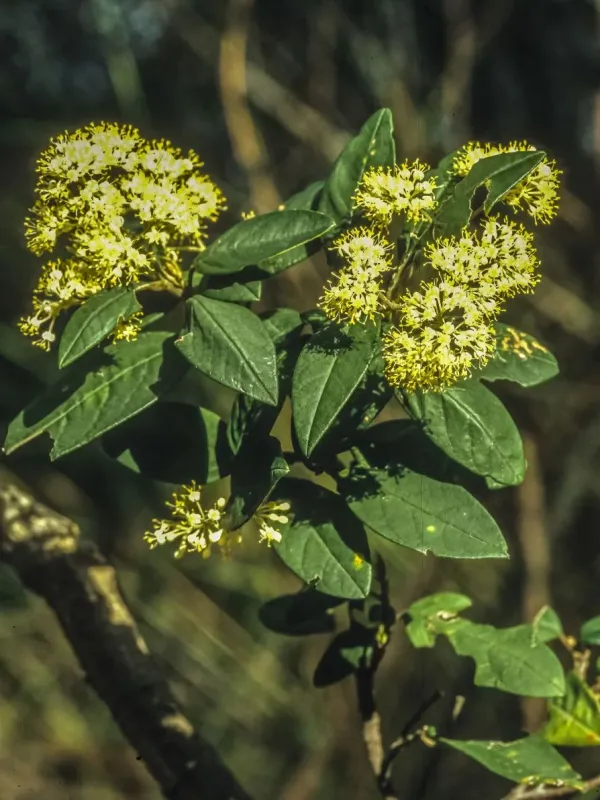
Description
Growing requirements
Pomaderris discolor is an evergreen shrub belonging to the Rhamnaceae family. This species is indigenous to the southeastern regions of Australia, where it naturally occurs in the understory of various woodland ecosystems.
The plant thrives in well-drained, acidic to neutral soil types. It is essential to ensure that the site has excellent drainage, as the species is highly susceptible to root rot if water stagnation occurs for extended periods.
Climate requirements include temperate conditions, as the shrub is not highly tolerant of extreme frost or prolonged heatwaves. Providing a sheltered position in the landscape is crucial for protecting delicate branches from strong, desiccating winds.
Regarding light, Pomaderris discolor prefers partial shade to full sun. In hotter climates, filtering the afternoon sun is beneficial to maintain leaf health and reduce water stress on the plant’s physiological processes.
In terms of agricultural utility, this plant is primarily cultivated for ornamental purposes. Its unique foliage and distinct flowering habit make it a valued addition to native gardens and large-scale landscape projects designed for biodiversity.
Main diseases and pests
The primary threats to this shrub include soil-borne fungal pathogens such as Phytophthora. These fungi thrive in wet and poorly aerated soils, necessitating strict management of irrigation and site drainage.
Pests such as scale insects and spider mites are common concerns during dry spells. These insects colonize the undersides of leaves and stems, sucking sap and weakening the overall vigor of the individual plant.
Powdery mildew can become an issue in environments with poor air circulation. Thinning out the center of the shrub's canopy annually is an effective preventive measure to ensure airflow and reduce humidity levels within the foliage.
Nutrient deficiencies, specifically magnesium or iron, may manifest as leaf chlorosis. Regular testing of soil chemistry is advised to tailor a fertilizer program that supports healthy growth without excessive growth spurts.
Wildlife damage, particularly from browsing animals, can affect young specimens. The use of physical barriers or protective cages during the establishment phase is recommended to minimize mechanical damage to the shrub’s bark.