
Plagiobothrys torreyi
Plagiobothrys torreyi
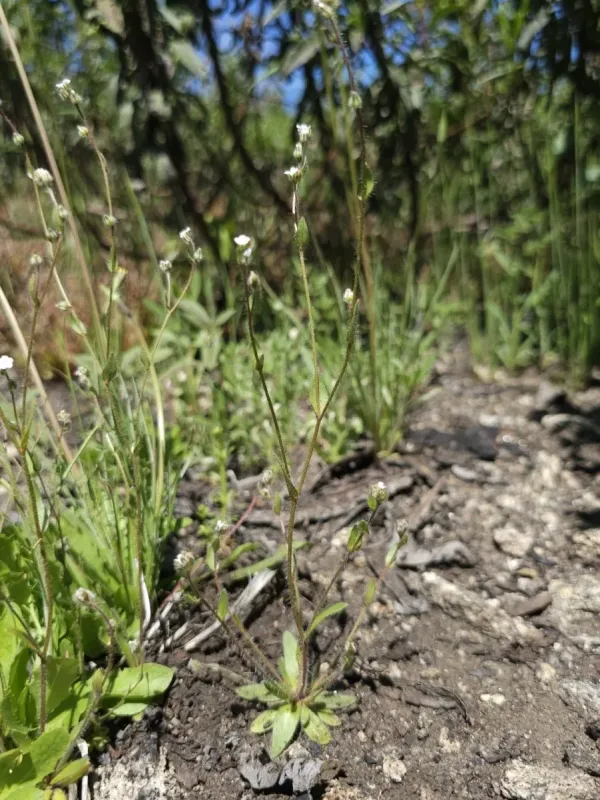
Description
Growing requirements
Plagiobothrys torreyi is a member of the Boraginaceae family, native to the western regions of North America, particularly California. This annual herb is well-adapted to habitats that experience seasonal moisture fluctuations.
The plant typically occupies open areas, demonstrating high resilience to varying light levels. Its morphology is characterized by specialized hairs on the foliage, which minimize transpiration and protect the plant from harsh environmental stressors.
Regarding soil requirements, the species thrives in well-drained loamy or sandy substrates. It is essential to maintain a soil pH level that is near neutral, avoiding excessive acidity or alkalinity to ensure optimal nutrient absorption.
Climate adaptation is a key feature of this culture. It is accustomed to mild, wet winters and dry summers, allowing it to complete its life cycle before the peak heat of the season.
In terms of utilization, it is predominantly of interest for biodiversity conservation and habitat restoration. Its role as a nectar source makes it valuable for local pollinator populations in its native range.
Main diseases and pests
The primary threats to Plagiobothrys torreyi include the degradation of its natural wetland habitats. Changes in drainage patterns can significantly alter the survival rate of established populations.
Pathogenic threats include fungal infections such as powdery mildew and various root rot organisms, which proliferate when the soil remains waterlogged for extended periods.
Insect pests include aphids and spider mites, which can cause damage to the delicate leaves and stems. Regular scouting is recommended in controlled environments to prevent infestations.
Weed pressure is a significant challenge for this species, as it is relatively slow-growing during the seedling stage. Effective mechanical control is necessary for cultivation success.
Proper ventilation and balanced irrigation schedules are the most effective non-chemical methods to minimize the risk of common agricultural diseases associated with this plant.