
Plagiobothrys chorisianus
Plagiobothrys chorisianus
Description
Growing requirements
Plagiobothrys chorisianus is a herbaceous plant belonging to the Boraginaceae family. Originally native to the coastal regions of California, this species is well-adapted to habitats that require resilience against changing soil moisture levels.
For optimal growth, this plant requires well-draining, sandy or loamy soils. It thrives in locations that receive full sunlight, as adequate light exposure is essential for the healthy development of its characteristic floral clusters.
Climate requirements for this species include mild temperatures, typical of Mediterranean environments. It is not cold-hardy, meaning it is usually grown as an annual in regions with harsh winters, focusing on spring and summer cultivation cycles.
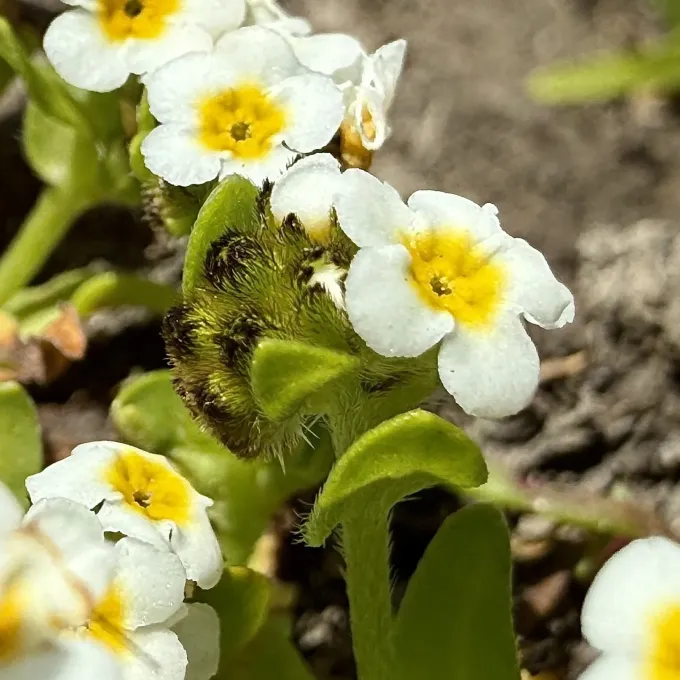
Botanically, the plant is recognized by its hirsute leaves and upright stems, which are typical adaptations for the species' natural environment. The delicate, small flowers are designed to attract specific native pollinators, which is crucial for seed production.
In terms of agricultural and horticultural use, Plagiobothrys chorisianus is highly valued in restoration projects and wildflower meadow landscaping. It is an excellent choice for creating biodiverse habitats that support local insect populations.
Main diseases and pests
The primary threats to Plagiobothrys chorisianus are related to improper environmental conditions, specifically excess soil moisture which leads to root rot and other fungal diseases.
Powdery mildew is a common concern in environments where air circulation is restricted. Maintaining proper spacing between plants is the most effective way to prevent the spread of such pathogens.
Pests such as aphids are frequently observed on new growth. If left unchecked, these insects can sap the energy of the plant, leading to weakened immune responses and reduced flowering.
Slugs and snails pose a significant risk during the seedling stage. These pests can rapidly defoliate young plants, often requiring physical barriers or organic pest control methods to manage.
Integrated pest management strategies are recommended to keep the plant healthy while preserving the local ecosystem, avoiding harsh chemicals that could damage the beneficial insect population.