
Plagiobothrys acanthocarpus
Plagiobothrys acanthocarpus
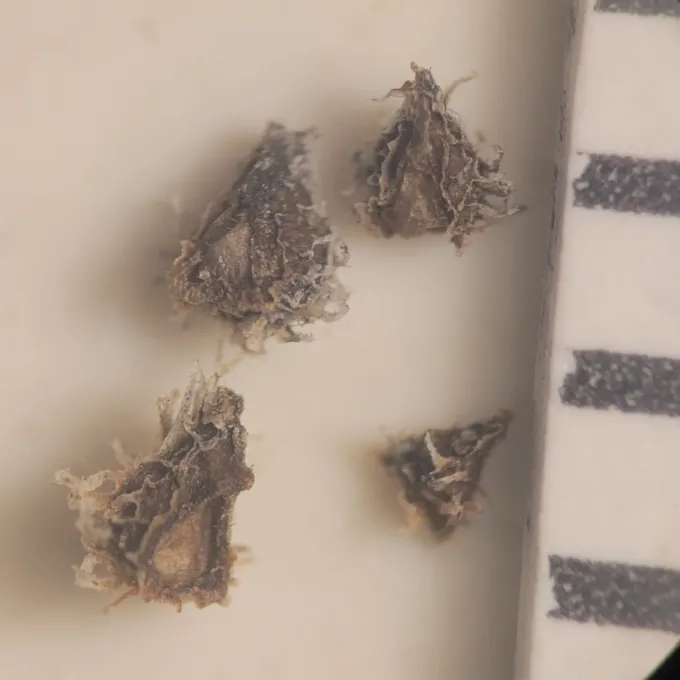
Description
Sowing dates
Plagiobothrys acanthocarpus is an annual herbaceous plant belonging to the Boraginaceae family. In its natural habitat, its lifecycle is closely linked to the seasonal climatic rhythms typical of the western regions of North America.
Seeds of this plant germinate mainly during the autumn and winter rains, when the soil becomes sufficiently saturated with moisture to trigger embryo development. In the wild, sowing occurs naturally when seeds disperse at the end of the vegetative period.
For artificial cultivation, sowing times must correspond with periods of moderate temperatures and adequate rainfall. The plant does not tolerate extreme summer heat, making the spring or autumn months the most favorable for beginning its growth cycle.
Sowing should take place in sunny locations with loose soil structure, allowing the root system to develop as efficiently as possible. It is important to note that the crop requires minimal seed depth—covering them with a thin layer of soil is usually sufficient.
After germination, the plant quickly enters the active growth phase, forming a leaf rosette before beginning stem elongation. The correct timing of sowing determines the success of flowering, which typically occurs toward the end of the wet season.
Growing requirements
The crop prefers specific ecological niches and is frequently found in areas with seasonal soil saturation. Optimal sites are those with good drainage, as despite the plant's preference for moisture, waterlogging can lead to stunted growth.
The soil should have a neutral or slightly alkaline pH for successful growth. High levels of humus and essential micronutrients promote the formation of a strong root system, which is critical for the plant's survival during periods of short-term drought.
Temperature management plays a key role: Plagiobothrys acanthocarpus is adapted to moderate temperatures. Intense sunlight is necessary for efficient photosynthesis, although light shade during the hottest hours can be beneficial for young plants.
Moisture requirements vary depending on the developmental phase; during germination, the soil must remain consistently moist. As the seeds reach maturity, the plant requires a gradual decrease in moisture levels to successfully complete its lifecycle.
The agronomy of this species involves minimal interference, as the plant is well-adapted to its natural environment. The primary factor for success is preventing competition from invasive weeds during the early stages of growth.
Main diseases and pests
Major biological threats to the species include fungal diseases that develop under conditions of excessive moisture and poor soil aeration. Root rot infections can lead to the rapid collapse of populations, particularly in confined growing environments.
Among pests, sucking insects such as aphids are the most dangerous, as they can damage young shoots and inflorescences. Regular monitoring of the plant's condition allows for the timely identification of outbreaks and effective containment of their spread.
Weeds create significant competition for resources, especially during the initial developmental stages. Under cultivation, it is necessary to carefully remove unwanted plants without damaging the shallow root system of the crop.
Changing climatic conditions and the disruption of natural hydrological regimes in the plant's range act as indirect threats that reduce the productivity and viability of natural populations.
To protect plants from pathogens, it is recommended to practice crop rotation and prevent soil compaction. The use of chemical pesticides must be strictly regulated to avoid disrupting the biological balance of the surrounding ecosystem.