
Plagiobothrys tener
Plagiobothrys tener
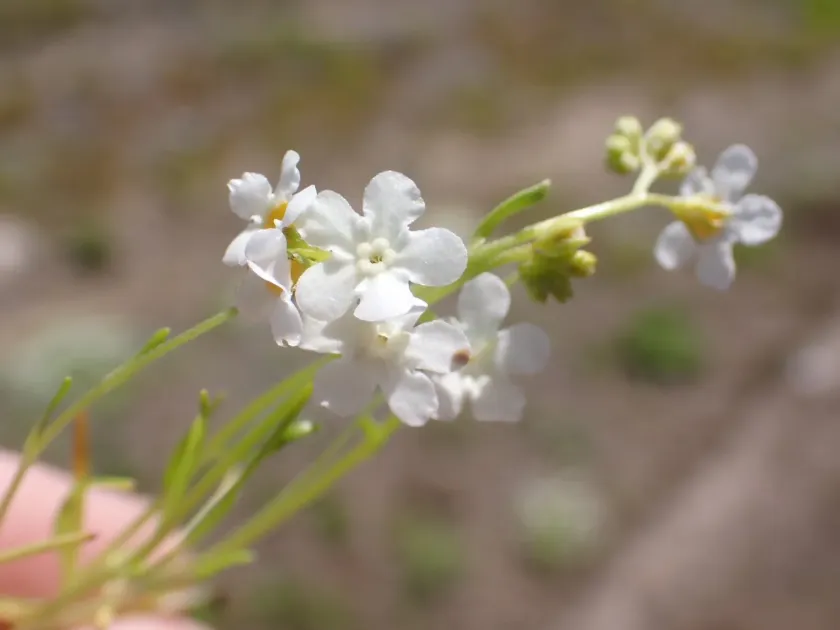
Description
Sowing dates
Plagiobothrys tener is a plant species belonging to the Boraginaceae family. In agricultural or horticultural settings, it is typically treated as an annual crop that requires specific attention during the establishment phase.
The sowing process should be initiated in early spring when soil temperatures stabilize, ensuring that the ground is workable and free from frost damage. Consistent moisture is critical during the germination stage to ensure a uniform stand.
Seeds should be sown at a shallow depth, as the species is sensitive to deep burial. Proper spacing is essential to prevent overcrowding, which allows for optimal air circulation and access to light for each individual plant.
Effective seedbed preparation is the foundation for a successful crop. Removing perennial weeds before sowing reduces competition and helps the delicate seedlings establish themselves without being stifled by more aggressive vegetation.
When planning the sowing schedule, farmers should consider the regional climate, as this species prefers mild conditions during its early growth stages. Avoiding extremes in temperature helps in establishing a robust root system.
Growing requirements
This crop thrives in full sun exposure, which is necessary for the development of its characteristic foliage and overall plant health. Areas with partial shade can lead to stunted growth and reduced vigor throughout the season.
Regarding soil preferences, Plagiobothrys tener performs best in well-drained, sandy loam soils with a neutral pH level. Proper drainage is the most vital requirement, as this plant is highly prone to root issues in waterlogged conditions.
Water management is key; while the plant is somewhat drought-tolerant once established, supplemental irrigation is recommended during prolonged dry spells to maintain consistent development. Over-saturation must be strictly avoided.
Nutrient requirements should be met through the incorporation of balanced fertilizers. Adding organic compost before planting improves soil structure and water-holding capacity, providing a steady release of nutrients for the plant.
Temperature fluctuations can impact the development of the plant, so shelter from prevailing cold winds is beneficial. A consistent, warm environment during the main growing season ensures the best physiological response from the crop.
Main diseases and pests
Fungal diseases are the primary threat, especially in humid conditions or where air circulation is restricted. Powdery mildew can occur if the plant is stressed or exposed to high humidity for extended periods, necessitating careful site selection.
Common insect pests include aphids, which tend to infest the tender growth tips. Early detection through regular field scouting is essential for maintaining control and preventing the spread of secondary viral infections transmitted by pests.
Root rot is a major physiological threat often linked to poor drainage or incorrect irrigation schedules. Once root rot begins, it is difficult to mitigate, making prevention through soil management the most effective control strategy.
Weed management is vital to ensure that the crop does not suffer from nutrient or light deficiencies. Manual weeding or careful mechanical cultivation around the rows helps maintain a healthy growing environment.
Vigilance against environmental stress is also necessary. Plants that receive balanced irrigation and adequate nutrition show higher resilience to the aforementioned pests and diseases compared to neglected or improperly maintained crops.