
Plagiobothrys scouleri
Plagiobothrys scouleri
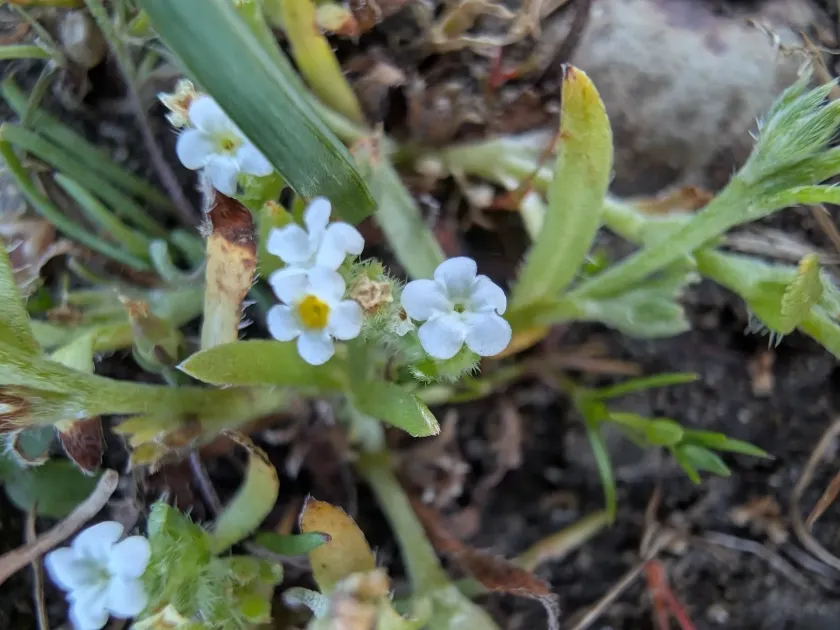
Description
Growing requirements
Plagiobothrys scouleri is a herbaceous annual plant belonging to the Boraginaceae family. Native to western North America, it is adapted to thrive in moist environments such as meadows, stream banks, and seasonal wetlands.
This species requires high soil moisture levels for optimal growth. It performs best in well-drained, fertile soils that retain enough water to support its relatively shallow root system throughout the growing season.
In terms of light exposure, the plant prefers full sun to light shade. Adequate sunlight is crucial for the development of healthy, compact stems and successful seed set, especially in the late spring and early summer stages.
Climatic requirements involve a temperate environment with sufficient rainfall. The plant is resilient and can withstand minor fluctuations in temperature, though frost protection may be necessary for early-season seedlings.
Regarding soil preparation, a friable, nutrient-rich soil with a slightly acidic to neutral pH is ideal. Ensuring proper soil structure promotes deep root penetration and better water uptake, which is essential for the crop's vigor.
Main diseases and pests
The primary threats to Plagiobothrys scouleri include fungal pathogens that thrive in high-humidity conditions. Powdery mildew is a frequent issue if the plant is grown in areas with poor airflow and excessive moisture levels.
Root rot, specifically caused by soil-borne fungi like Pythium species, can devastate young populations if water drainage is inadequate. Implementing raised beds or improved drainage systems is a common preventative practice.
Aphids are the most common insect pests that attack the tender foliage of the plant. If left untreated, they can spread viral infections, which significantly weaken the plant's overall growth and reproductive capacity.
Weed competition is a significant challenge during the early stages of growth. Because the seedlings are relatively small, they can be easily outcompeted, necessitating early weeding or the use of mulch to suppress unwanted vegetation.
To mitigate these risks, integrated pest management (IPM) practices are highly recommended. This includes crop rotation, avoiding over-fertilization with nitrogen, and using natural enemies to control aphid populations in the field.