
Plagiobothrys parishii
Plagiobothrys parishii
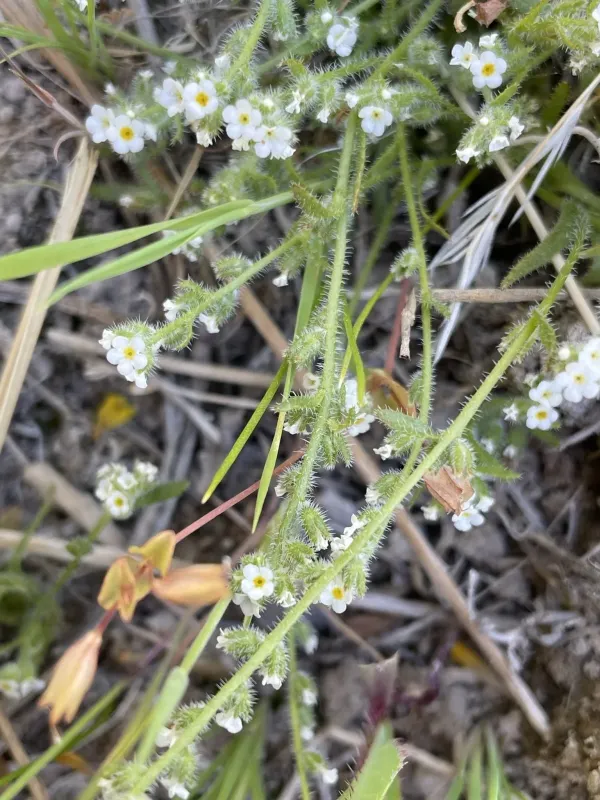
Description
Sowing dates
Plagiobothrys parishii is a member of the Boraginaceae family, distinguished by its unique ecological adaptations and growth habits. This crop requires careful planning of the sowing period to match natural climate rhythms.
Seeds are best planted during the early spring window when soil moisture is at its peak and the danger of severe night frosts has passed.
Given the small size of the seeds, shallow sowing is crucial for ensuring adequate oxygen access for germination and preventing seeds from being buried too deep.
Professional cultivation strategies involve maintaining a standardized seed density to ensure that individual plants have sufficient access to light and nutrients.
Soil preparation should involve achieving a fine tilth, which is essential for uniform emergence of seedlings across the entire field.
Growing requirements
The plant thrives in open, sunny environments where it receives unobstructed sunlight throughout the day to support its metabolic processes.
Well-drained, sandy-loam soils are ideal for Plagiobothrys parishii, as they prevent the root rot commonly associated with waterlogged environments.
While the crop shows moderate drought tolerance, consistent moisture levels during the critical flowering stage are necessary to ensure optimal yield and quality.
Soil pH levels should ideally fall within the neutral range, ensuring that essential minerals are bioavailable for the plant's sustained development.
Proper airflow between rows is required to maintain the right humidity levels and prevent the microclimate from becoming stagnant, which could encourage disease.
Main diseases and pests
Root system pathogens are the primary risk factor, often triggered by poor drainage or over-irrigation during the cooler months of the growing season.
Leaf-spot diseases may emerge under conditions of high humidity, causing necrotic areas on the foliage and reducing the photosynthetic surface area.
Common agricultural pests such as aphids or spider mites can infest the crop, particularly during periods of environmental stress or moisture deficiency.
Integrated pest management, including regular scouting and removal of infected plants, is recommended to prevent large-scale outbreaks.
- Monitoring for early signs of fungal infection.
- Ensuring adequate soil structure.
- Maintaining healthy plant density to prevent pest colonization.