
Plagiobothrys nothofulvus
Plagiobothrys nothofulvus
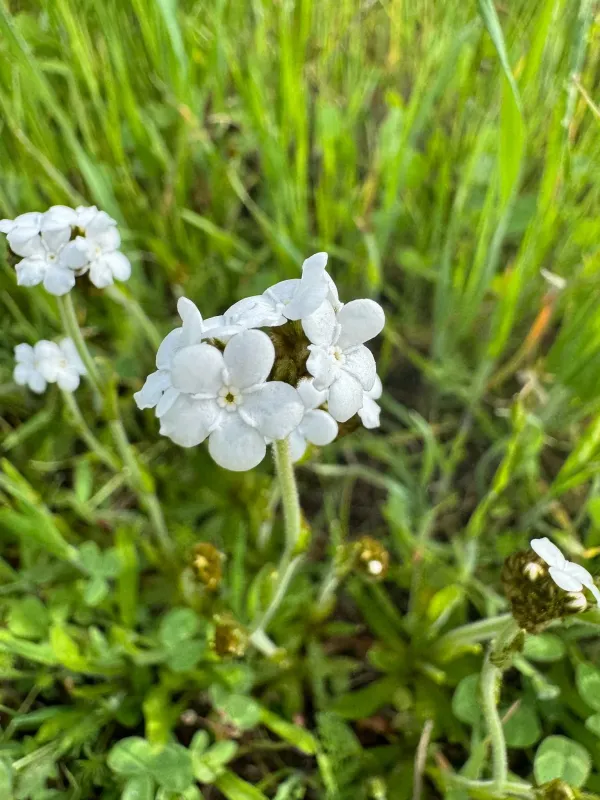
Description
Sowing dates
Plagiobothrys nothofulvus is an annual herbaceous plant that propagates naturally through self-seeding. For intentional cultivation, seeds should be sown directly into the open ground during the autumn months or early spring, as soon as the soil becomes workable.
The seeds require light for optimal germination; therefore, they should be covered with only a very thin layer of soil. Maintaining consistent moisture in the upper soil profile is crucial during the initial stages to ensure high germination rates and robust seedling development.
The ideal temperature range for germination is between 15 and 18 degrees Celsius. Careful monitoring of soil temperature ensures that seedlings emerge uniformly, preventing potential gaps in the field or planting bed caused by uneven environmental conditions.
Once true leaves have developed, it is essential to thin the seedlings. Providing adequate spacing promotes better airflow and light penetration, which are vital for the plant to develop into a healthy, branching specimen capable of full bloom.
Sowing in autumn is often preferred as it allows seeds to undergo natural stratification. This process prepares the seeds for more vigorous growth when spring temperatures rise, leading to a stronger and more resilient plant population.
Growing requirements
Belonging to the Boraginaceae family, this plant thrives in open, sunny environments. Exposure to direct sunlight is necessary for maintaining compact growth and promoting the development of high-quality flowers; shade often leads to undesirable legginess.
The species is adaptable to various soil types, but it shows a clear preference for light, well-draining loamy or sandy soils. Proper drainage is vital, as the roots are susceptible to decay if exposed to persistent waterlogging or anaerobic conditions.
Native to the western regions of North America, the plant is well-adapted to climates with moderate seasonal rainfall and dry summers. It exhibits remarkable drought tolerance once established, requiring minimal supplemental irrigation throughout the growing season.
Neutral to slightly alkaline soil pH levels are optimal for the plant's metabolic processes. If the soil is excessively acidic, amendments such as lime may be necessary to support the plant's nutritional uptake and overall vitality.
While the plant is hardy and withstands varying temperatures well, seedlings may require shelter from harsh spring winds. A balanced environment with consistent light and well-drained soil creates the foundation for a productive and attractive crop.
Main diseases and pests
The primary threats to this species are fungal infections, which are often exacerbated by high humidity and poor air circulation. Symptoms such as mildew or root rot can manifest rapidly if the canopy remains too dense or damp for extended periods.
Pests like aphids and spider mites can occasionally affect the plants, particularly during drier, hotter spells. Monitoring for early signs of infestation allows for timely intervention using biological control methods or gentle, targeted treatments.
Weed management is a critical aspect of cultivation. Competitive weeds not only deplete soil nutrients but also restrict airflow around the base of the plant, creating an environment favorable for the development of both pests and pathogens.
If disease symptoms appear, it is recommended to promptly remove and destroy affected plant matter to minimize the risk of spores spreading. Good sanitation practices, including the removal of debris, are essential for disease prevention.
Maintaining appropriate plant density and observing crop rotation practices help break the life cycles of typical soil-borne pathogens. These agronomic strategies ensure the longevity and health of the crop throughout its vegetative and reproductive cycles.