
Plagiobothrys myosotoides
Plagiobothrys myosotoides
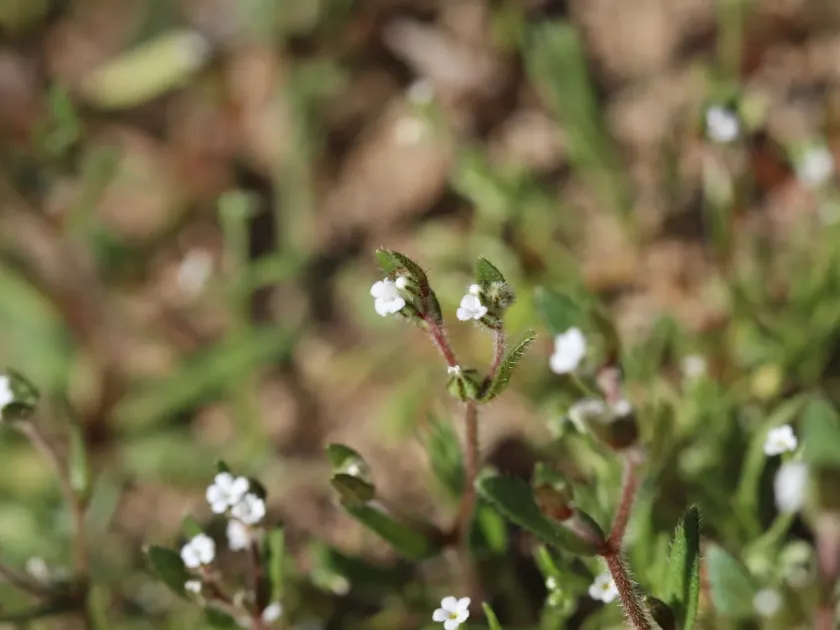
Description
Growing requirements
Plagiobothrys myosotoides is a herbaceous plant belonging to the Boraginaceae family. As an agricultural interest, it represents a niche crop capable of thriving in environments where conventional forage crops may struggle to establish.
The origin of the species is linked to temperate climates with high moisture availability. It is widely distributed across regions where riparian zones or seasonal wetlands provide the necessary conditions for its life cycle and seed dispersal.
Cultivation requires soils with a consistent moisture level and high organic matter content. While it prefers full sun, the plant can tolerate partial shade if the soil temperature remains moderate throughout the primary growing season.
Botanically, the species is recognized by its small, characteristic flowers and pubescent foliage, which is a common trait among its botanical relatives. The plant develops a resilient root system that allows it to survive in fluctuating water table conditions.
Economic uses include its potential as a pasture component for wetlands, land reclamation, and soil stabilization. Its adaptability makes it a valuable asset for ecosystem services and sustainable land management practices.
Main diseases and pests
Disease management primarily focuses on preventing fungal infections caused by high humidity and poor air circulation. Effective field spacing is the most reliable strategy to maintain plant health and prevent the spread of pathogens.
Common pests include aphids and larvae that feed on tender plant tissues. Integrated pest management strategies, focusing on biological controls, are highly recommended to preserve the local ecological balance of the field.