
Plagiobothrys mollis
Plagiobothrys mollis
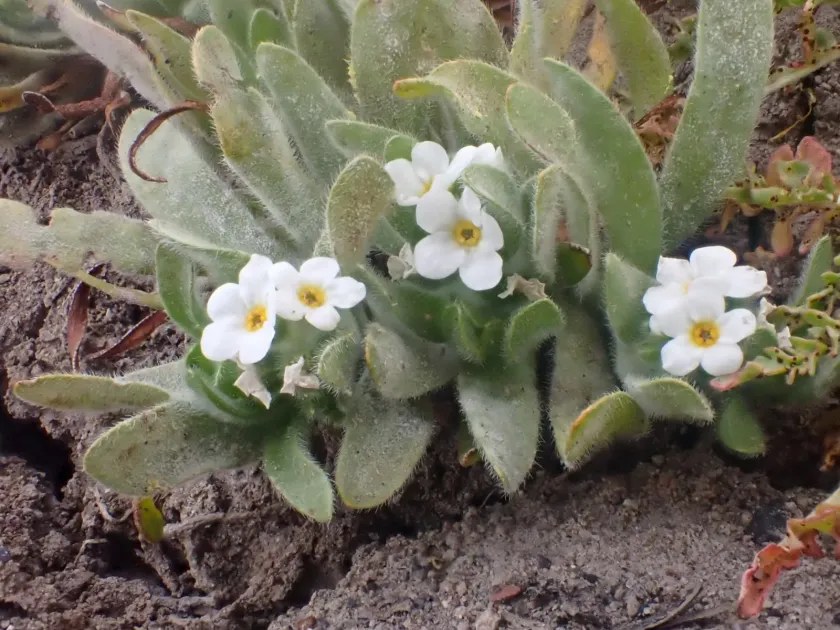
Description
Sowing dates
Plagiobothrys mollis is an annual herbaceous plant that relies on specific seasonal moisture patterns to trigger its germination and subsequent vegetative growth.
In agricultural settings, seeds should be sown in late autumn, allowing the cold stratification period to break dormancy and prepare the embryo for spring activation.
Shallow sowing is essential, as the seeds are small and require a precise balance of moisture and gas exchange to initiate a successful development cycle.
Proper soil contact is necessary to maintain the hydration levels required for the radicle to penetrate the soil surface without dehydrating in fluctuating temperatures.
Consistent cool temperatures, typically ranging from 10 to 15 degrees Celsius, provide the ideal environmental trigger for uniform seedling emergence across the plot.
Growing requirements
As a member of the Boraginaceae family, this species requires specialized habitats that typically feature high levels of soil moisture throughout the season.
The plant thrives in sites that are seasonally wet or marshy, indicating a strong preference for high organic content and stable water tables in the rhizosphere.
Plagiobothrys mollis is a heliophilous species, meaning it requires full exposure to solar radiation to maintain its metabolic health and drive flowering processes.
The soil should have a neutral pH, and the physical structure must be loose enough to allow root penetration while holding adequate water capacity.
Environmental management involves ensuring that drainage is controlled, avoiding complete water saturation that could cause hypoxia in the root zone during development.
Main diseases and pests
The main threats to the population stability of Plagiobothrys mollis include habitat loss caused by agricultural drainage and landscape fragmentation.
Pathogenic fungi are a significant threat when environmental conditions become overly stagnant, leading to rapid infection of leaf tissues and potential plant death.
Herbivorous insects can cause localized damage, particularly during the early vegetative stage, compromising the structural integrity of the growing shoots.
Competition from more aggressive, non-native herbaceous plants often leads to the displacement of this species in its natural and semi-cultivated environments.
- Fungal blights favored by high humidity.
- Root-knot nematodes in poorly managed soil.
- Overgrowth and crowding by invasive competitive weeds.