
Plagiobothrys leptocladus
Plagiobothrys leptocladus
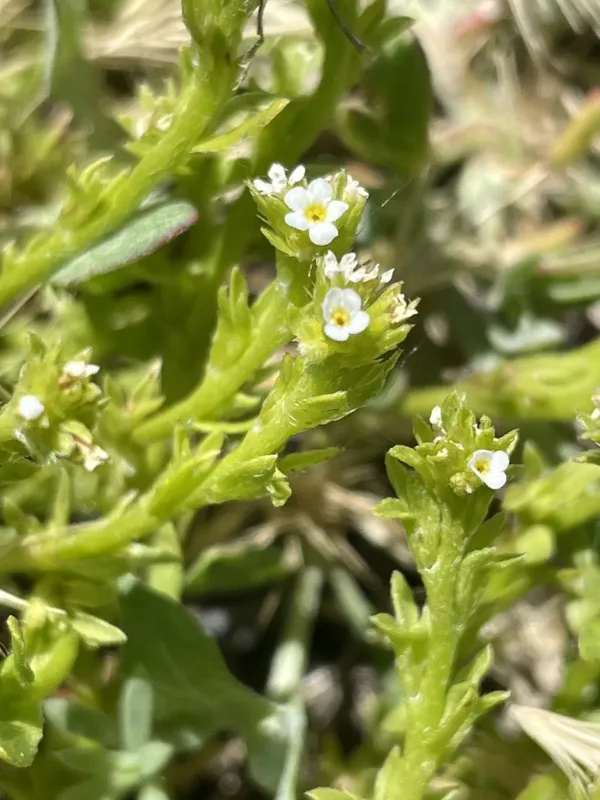
Description
Growing requirements
Plagiobothrys leptocladus is an annual herbaceous plant belonging to the Boraginaceae family. In its natural habitat, it is predominantly found in moist, riparian, or seasonally inundated environments, demonstrating a significant adaptation to specific hydrological conditions.
The plant thrives in full sunlight exposure, which is critical for its metabolic processes and overall biomass accumulation. In an agricultural context, selecting sites with adequate solar radiation is essential to ensure healthy development and proper seed production.
Soil requirements for this species include well-structured, loamy or sandy substrates that allow for moisture retention without permanent saturation. While the species is hydrophilic, proper soil drainage is necessary to maintain root health and prevent pathogen proliferation.
Climate preferences involve temperate conditions characterized by mild spring temperatures and consistent moisture availability. The plant is well-adapted to areas with seasonal precipitation patterns, which support its rapid lifecycle from germination to maturity.
Regarding its utility, the species is recognized for its role in maintaining biodiversity within specialized ecosystems. It contributes to soil stabilization and ecological restoration in riparian zones, serving as a component of mixed vegetation cover in managed landscapes.