
Plagiobothrys lamprocarpus
Plagiobothrys lamprocarpus
Description
Sowing dates
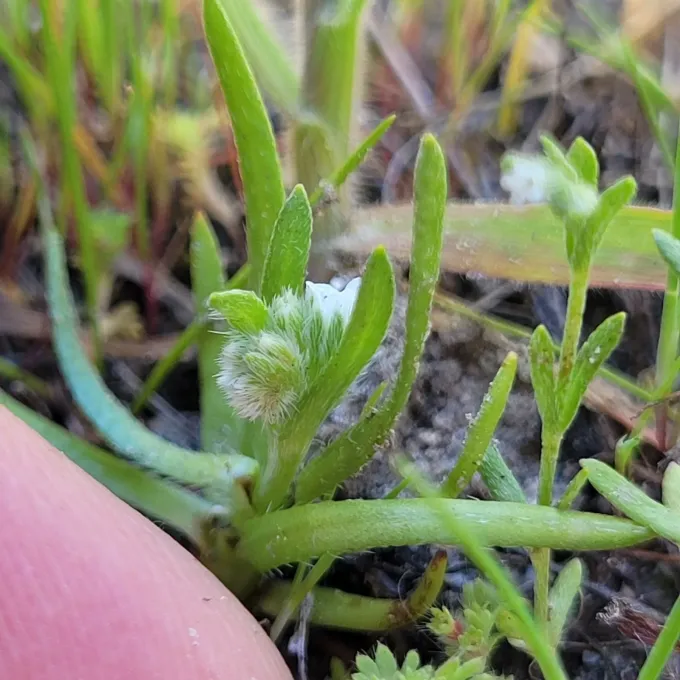
Plagiobothrys lamprocarpus is an annual herbaceous plant belonging to the Boraginaceae family. It typically initiates its growth cycle early in the spring, leveraging the moisture accumulated during the winter season.
For agricultural purposes, sowing is recommended either in late autumn for winter stratification or in early spring. Seeds should be sown shallowly to ensure they receive sufficient light and air contact for germination.
The ideal temperature for germination is between 10 and 15 degrees Celsius. Ensuring proper seed-to-soil contact is crucial for establishing a uniform and healthy plant stand during the initial phases.
In large-scale cultivation, spacing must be carefully calculated to prevent overcrowding, which can hinder the plant's development. Proper distribution ensures each plant has access to nutrients and sunlight.
Seed quality and moisture levels are the most critical factors for successful emergence. Once the seedlings have reached a certain stage, they are quite hardy and capable of thriving in temperate environments.
Growing requirements
This species thrives in open areas with plenty of direct sunlight. It requires soils that are moisture-retentive yet well-drained, as it is sensitive to both extreme drought and prolonged waterlogging.
The optimal soil profile for this plant is neutral or slightly acidic. Rich organic matter helps maintain soil structure and ensures the plant receives the nutrients necessary for flowering.
Climatic conditions should be moderate, as extreme heat can significantly stress the plant and reduce its productive capacity. If growing in hot regions, supplemental irrigation is essential for survival.
The plant adapts well to various soil types, provided they are not excessively sandy or compacted. Regular cultivation practices like hoeing help maintain aeration and root health.
Applying organic mulch can help regulate soil temperature and moisture levels, which is particularly beneficial during the transition from late spring to summer months.
Main diseases and pests
Fungal pathogens remain the primary threat to the crop, especially in conditions where drainage is inadequate. Root rot can occur rapidly if the soil remains waterlogged for extended periods.
Insect pests, including slugs and aphids, can significantly impact leaf quality. Regular monitoring and integrated pest management are recommended to keep damage levels below economic thresholds.
Weed management is vital during the early establishment phase, as the plant grows relatively slowly. Manual weeding or light mechanical cultivation is highly effective in keeping plots clean.
To maintain plant health, it is important to practice crop rotation to prevent the buildup of soil-borne diseases. Avoiding high-density planting also improves air circulation, reducing fungal risks.
- Implementation of buffer zones to minimize pest entry.
- Use of biological control methods where applicable.
- Monitoring of humidity levels to prevent the onset of powdery mildew.