
Plagiobothrys kingii
Plagiobothrys kingii
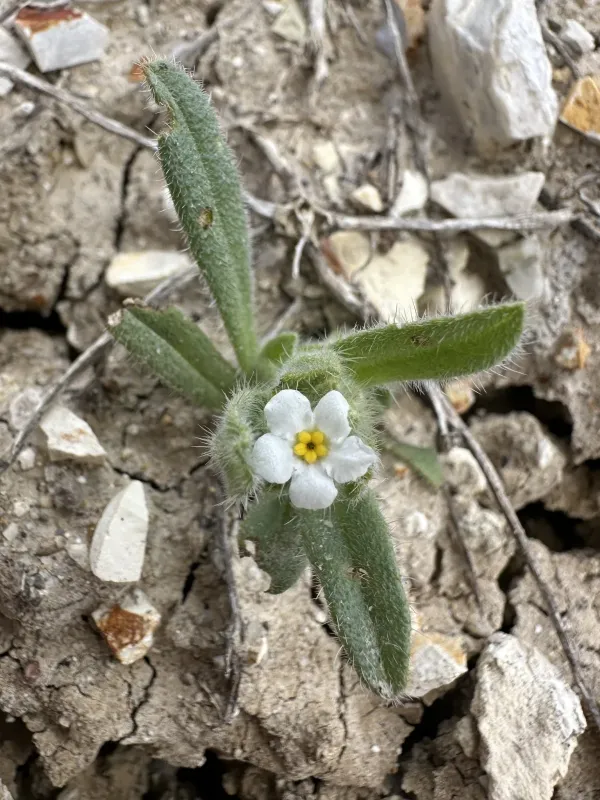
Description
Sowing dates
Plagiobothrys kingii, a member of the Boraginaceae family, requires precise conditions for successful germination. Due to the dormancy period common in these seeds, cold stratification is often necessary to mimic the natural environmental cycle and improve overall success rates.
The ideal sowing medium should be sandy and well-draining, which prevents the moisture retention that can prove fatal for the developing root systems. Planting should occur in early spring once the soil temperature is consistently above 10-12 degrees Celsius, allowing for steady growth.
Seeds should be sown at a depth of no more than 1 cm. Because they have a specific light requirement for germination, placing them too deep in the soil will inhibit their development. Light pressing of the soil surface ensures good contact without causing compaction.
When sowing on a larger scale, rows should be spaced adequately, roughly 30 cm apart, to allow for sufficient airflow. This spacing is critical for maintaining the health of the plant and minimizing the spread of moisture-related pathogens in the later stages of growth.
Consistent moisture levels during the germination period are essential. However, it is vital to avoid waterlogging the soil. A gentle misting approach is often preferred over heavy irrigation until the plants reach the seedling stage and develop robust root systems.
Growing requirements
Plagiobothrys kingii thrives in full sun, making site selection a primary factor for success. Locations with partial shade should be avoided, as they lead to stunted growth and poor biomass production. Proper light exposure is essential for the maturation of the plant.
Soil composition should lean towards sandy or light loam varieties with a near-neutral pH level. Heavy, clay-dense soils are generally unsuitable for this species, as they tend to become compacted, which prevents necessary root respiration and leads to anaerobic conditions.
The species is sensitive to water stress. While drought resistance is moderate, the plant performs best when provided with regular, controlled irrigation. Drip systems are highly recommended to provide water directly to the base of the plant without wetting the leaves.
Nutrient requirements are relatively low compared to high-intensity crops. Excessive use of nitrogen-based fertilizers can lead to weak, elongated stems. Instead, balanced, slow-release fertilizers are preferred to encourage strong, healthy development throughout the season.
Temperature management is another key requirement. While the plant can handle moderate temperature fluctuations, it is best grown in climates that avoid prolonged extreme heat. Mulching around the base can help keep the root zone cool during warmer months.
Main diseases and pests
Disease management is centered on preventing fungal issues, such as mildew and root rots, which often emerge in poorly ventilated or excessively humid conditions. Regular scouting of the field is necessary to catch any signs of stress or infection early.
Common pests include aphids and mites, which can cause significant damage to the succulent parts of the plant. Biological control methods, such as introducing beneficial insects, are highly effective in managing these pest populations without the need for harsh chemicals.
Gastropods like slugs and snails may pose a risk to young plants. Maintaining clean field borders and regular weeding reduces the harborages that these pests use, significantly lowering the risk of damage to the crop during the early vegetative phase.
Preventative measures, such as maintaining good spacing and avoiding overhead irrigation, are the most effective strategies against pathogen buildup. Crop rotation is also recommended to prevent the accumulation of soil-borne diseases in a single plot.
In cases of severe infestation, targeted applications of organic-based pesticides may be required. It is essential to ensure that any applied treatment is compatible with the plant's delicate physiology to prevent secondary chemical damage or stress.