
Plagiobothrys
Plagiobothrys infectivus
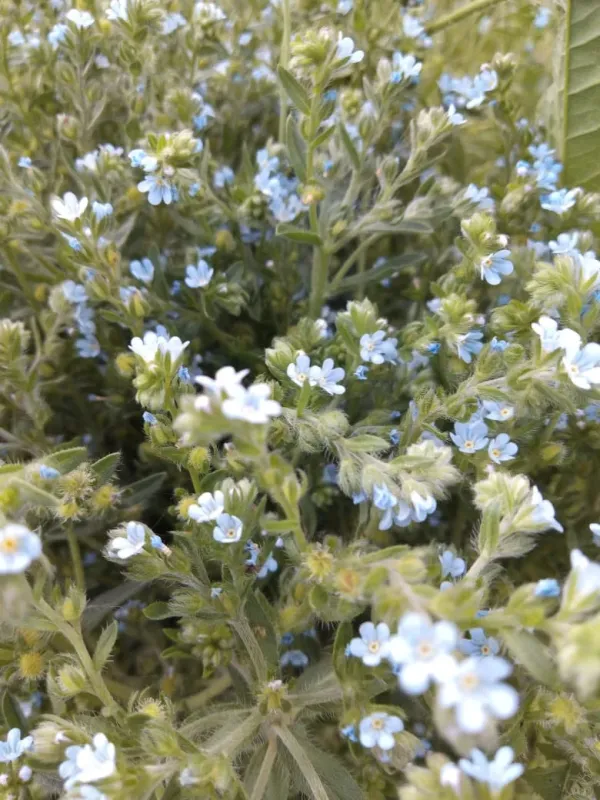
Description
Sowing dates
Sowing of the crop is carried out mainly in the spring, when the soil warms up to 10-12 degrees Celsius. It is important to ensure a sufficient seeding depth, usually between 1 and 2 centimeters, which promotes uniform germination.
In industrial cultivation, a row seeding method with row spacing up to 30 centimeters is used. This is necessary to ensure light access to young plants and ease of subsequent mechanical processing.
For optimal development, proper seedbed preparation is crucial, ensuring the soil is fine-crumbly and free of weed vegetation. Early sowing allows for the most efficient use of moisture accumulated in the soil after the winter period.
Sowing frequency may vary depending on the climatic zone; however, a general rule is to avoid late spring frosts. Monitoring seed density directly affects the intensity of photosynthesis and the potential development of the root system.
Winter sowing for this crop is rarely practiced due to the risk of seedling damage under unstable snow cover. Adherence to strict calendar timelines, adapted for the specific agro-climatic region, is highly recommended.
Growing requirements
The crop belongs to the Boraginaceae family and has moderate requirements for soil fertility. Well-drained loamy soils with a neutral or slightly acidic pH are preferred for successful growth.
Light intensity is a key factor: the plant is light-loving and significantly reduces its vegetative mass when shaded. In regions with high solar radiation, stable irrigation must be provided, especially during the active growth phase.
Agronomic practices include regular loosening of row spacings to prevent the formation of soil crusts. This ensures the necessary aeration of the root system, which is critical for normal metabolic processes in plant tissues.
Applying mineral fertilizers should be done in stages, with a preference for nitrogen-phosphorus complexes at the beginning of the vegetation period. Excessive soil moisture can lead to root rot, so a drainage system is a necessary prerequisite.
Wind exposure also plays a role, so sheltered areas where strong drying winds are excluded are chosen for cultivation. The optimal air humidity for Plagiobothrys is around 60-70 percent.
Yield
Crop yield depends on maintaining an irrigation schedule and applying micronutrients during the budding phase. High productivity indicators are achieved with uniform rainfall distribution during critical periods of vegetation.
Average biomass yield figures can fluctuate, but the quality characteristics of the production are directly linked to light intensity. Sufficient feeding area for each plant ensures the formation of large inflorescences.
The use of intensive cultivation technologies, including foliar feeding, allows for a 15-20 percent increase in marketable product output. It is important to monitor crop status for timely correction of agronomic measures.
Yield reduction is often associated with nitrogen deficiency in the soil or disruptions in the water balance. Rational management of resources allows for minimizing risks and obtaining stable results under various weather conditions.
Yield potential is also determined by the genetic characteristics of a specific variety. Stability in obtaining high returns per hectare confirms the effectiveness of the chosen protection and care system.
Main diseases and pests
The greatest threat to Plagiobothrys comes from fungal diseases that develop in conditions of stagnant moisture. Powdery mildew often affects leaves during the flowering phase, requiring preventive treatments with fungicides.
Among pests, aphids and spider mites are particularly problematic, as they actively reproduce in dry and hot weather. These insects can cause significant damage by sucking sap from young shoots, thereby reducing the plant's overall vitality.
Root rot is a serious concern during waterlogging, making prevention much more important than treatment. Crop rotation is highly recommended, with a minimum interval of 3-4 years before returning the crop to the same plot.
For pest control, the use of biological protection products, which are safe for beneficial pollinators, is effective. An integrated protection system includes monitoring pest populations and targeted application of insecticides.
Disease prevention begins with high-quality seed treatment before sowing. Healthy and vigorous seedlings possess increased resistance to environmental stressors and the impact of phytopathogens.
Harvesting
Harvesting is carried out at the technical maturity stage, when the content of beneficial substances in the plant reaches its maximum. It is important to determine this timing correctly, as premature harvesting leads to a loss in raw material quality.
For mechanical harvesting, specialized headers are used to ensure gentle cutting of the vegetative mass. Harvest losses are minimized provided that the optimal speed of the machinery is maintained.
Post-harvest processing includes mandatory drying of raw materials at a controlled temperature to prevent self-heating and mold development. Proper storage conditions are the key to a long shelf life for the product.
The purity of the harvested crop, free from impurities and weeds, significantly affects its market value. The use of modern separation systems allows for the effective isolation of the target fraction from foreign inclusions.
Logistical operations after harvesting must be performed in a timely manner to avoid the degradation of plant material. Optimizing the harvesting process is the final step in ensuring the high economic efficiency of the entire production cycle.