
Plagiobothrys glyptocarpus
Plagiobothrys glyptocarpus
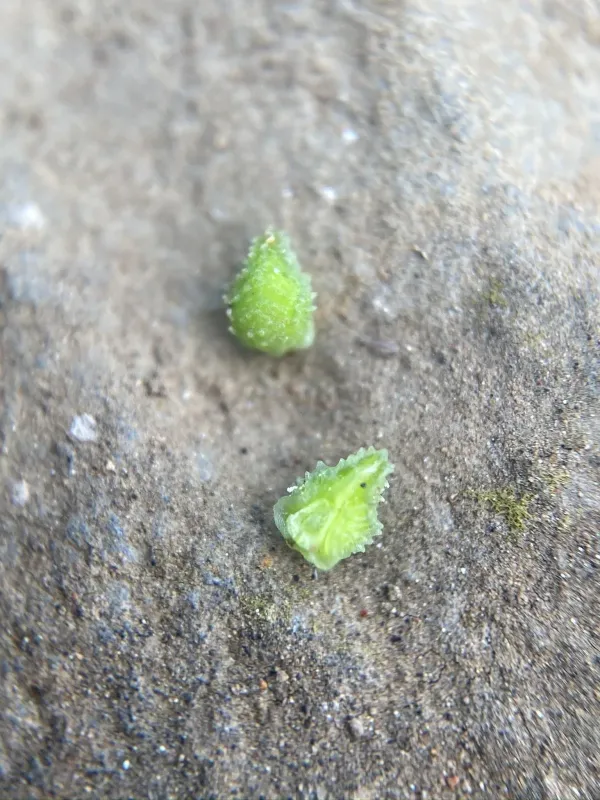
Description
Sowing dates
The optimal time for sowing is during the late autumn. This timing allows the seeds to undergo natural winter stratification, which is essential for breaking dormancy and ensuring uniform germination.
Seeds should be broadcast or drilled at a very shallow depth, ideally no more than 0.5 centimeters. Being small-seeded, the species relies on minimal covering to emerge successfully through the soil surface.
If sowing in the spring, growers must implement an artificial cold stratification process. Storing seeds in a moist medium at temperatures near 4 degrees Celsius for at least six weeks is highly recommended.
Spacing requirements should be considered carefully, allowing for sufficient airflow between plants. Proper spacing helps in preventing fungal issues that may occur in dense, humid conditions.
The seedbed should be free of debris and competitive weeds. Post-sowing irrigation is beneficial only if the soil moisture level drops significantly below the required threshold for germination.
Growing requirements
Plagiobothrys glyptocarpus is a member of the Boraginaceae family. This annual herb is native to Western North America, where it thrives in specific ecological niches characterized by seasonally moist habitats.
The plant requires well-drained, sandy or loamy soils to prevent root rot. It performs best in environments that receive full sunlight for the majority of the day, as shading significantly reduces its biomass production.
Regarding soil chemistry, the species prefers neutral to slightly acidic conditions. It is not tolerant of high salinity or heavy, clay-based soils that retain too much moisture during the dormancy period.
Climate adaptability is limited to temperate and Mediterranean-like conditions. Extremes in temperature, especially high heat coupled with humidity, are detrimental to the plant's health.
In agricultural practice, this plant is primarily utilized for ecological restoration projects or as a specialized ornamental species. It adds unique biodiversity value to managed landscapes.