
Plagiobothrys glomeratus
Plagiobothrys glomeratus
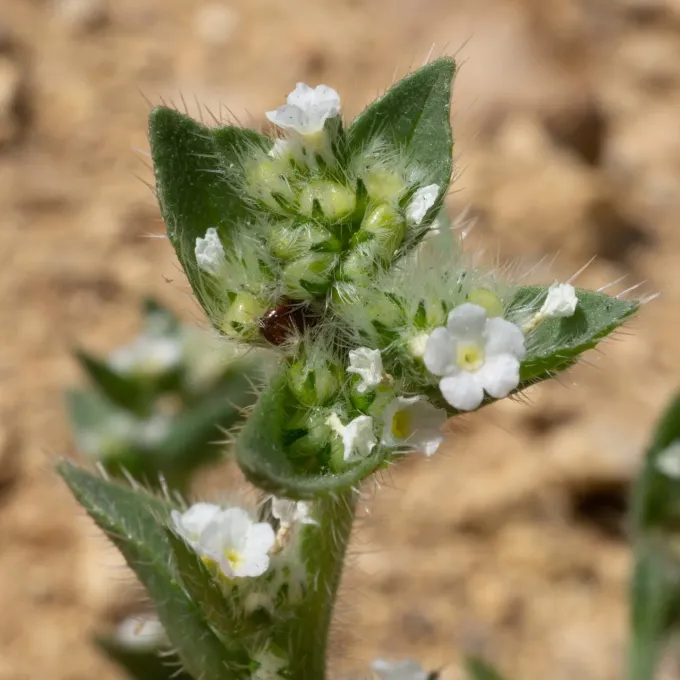
Description
Sowing dates
Plagiobothrys glomeratus is a rare member of the Boraginaceae family that exhibits specific biological requirements for its growth and reproductive cycle.
Seeds of this species require a cold stratification period, as their natural mechanisms are adapted to germinate only after experiencing winter conditions.
When cultivating, seeds should be sown in late autumn or early spring directly into the soil, with shallow coverage to ensure sufficient light exposure.
Planting density must be carefully managed to prevent competition among seedlings, ensuring each plant has adequate space to develop a healthy rosette.
Soil preparation is critical, requiring weed-free conditions, as the seedlings are susceptible to competition from more aggressive wild species during their establishment.
Growing requirements
The crop prefers open, well-lit areas where it can receive maximum sunlight, though light shade may be beneficial during extreme summer heat in southern regions.
Ideal soil conditions include sandy loam or light loam textures with a neutral to slightly alkaline pH, ensuring good fertility without excessive organic matter.
Excellent drainage is a non-negotiable requirement for this plant, as waterlogging can cause rapid root rot and systemic failure of the plant population.
While the plant shows moderate drought tolerance, regular and consistent watering is necessary to support biomass production and flowering consistency.
Cooler temperate climates are most suitable, as high-temperature stress can cause the plant to enter a dormant state prematurely, limiting its growth potential.
Main diseases and pests
Fungal diseases are the primary threat to Plagiobothrys glomeratus, particularly in environments with poor air circulation and excessive humidity levels.
Powdery mildew can infect the foliage during humid conditions, making it essential to monitor plant spacing to allow for adequate ventilation throughout the stand.
Slugs and snails are the most prominent pests, capable of causing significant damage to the leaf rosettes, especially in rainy spring and autumn seasons.
Aphids may occasionally infest developing flower spikes, drawing energy away from the plant and reducing the quality of the harvested seed material.
Effective management strategies include crop rotation, maintaining optimal soil moisture levels, and implementing integrated pest control practices when necessary.