
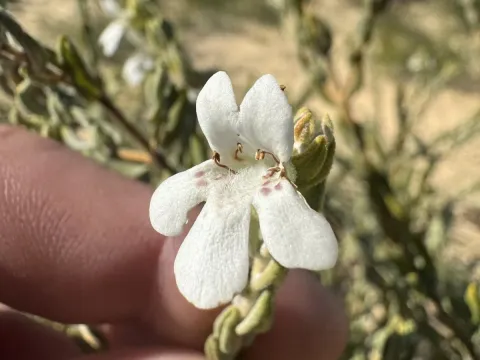
Pityrodia
Pityrodia R. Br.
Pityrodia is a genus of perennial shrubs belonging to the Lamiaceae family. These plants are native to the Australian continent and have evolved to thrive in some of the most arid and challenging environments, making them unique subjects for botanical study and specialized horticulture.
What the section contains

Pityrodia
The primary cultivation requirement for Pityrodia is exceptionally well-drained soil. In their native habitat, they grow in sandy or rocky substrates; therefore, in a controlled environment, it is essential to mimic these conditions to avoid root rot and waterlogging, which are fatal to the species.
These plants are adapted to high-light environments and require full sun to maintain their structural integrity and stimulate flowering. They possess high drought tolerance, which makes them a subject of interest for sustainable landscaping and water-wise gardening projects.
Botanically, Pityrodia species are characterized by dense indumentum, which is a layer of fine hairs covering leaves and stems. This physical trait serves as an effective mechanism to reduce transpiration, protect the plant from overheating, and minimize water loss during prolonged heatwaves.
While not a traditional food or fiber crop, Pityrodia has potential applications in restoration ecology and decorative horticulture. Its resilience to harsh environmental factors provides valuable genetic material for future research into developing climate-resilient ornamental shrub varieties.