
Pityrodia terminalis
Pityrodia terminalis (Endl.) A. S. George
Description
Growing requirements
Pityrodia terminalis is a perennial shrub belonging to the Lamiaceae family. It is native to the arid interior of Western Australia, where it has evolved to thrive in environments characterized by low rainfall and high temperature fluctuations.
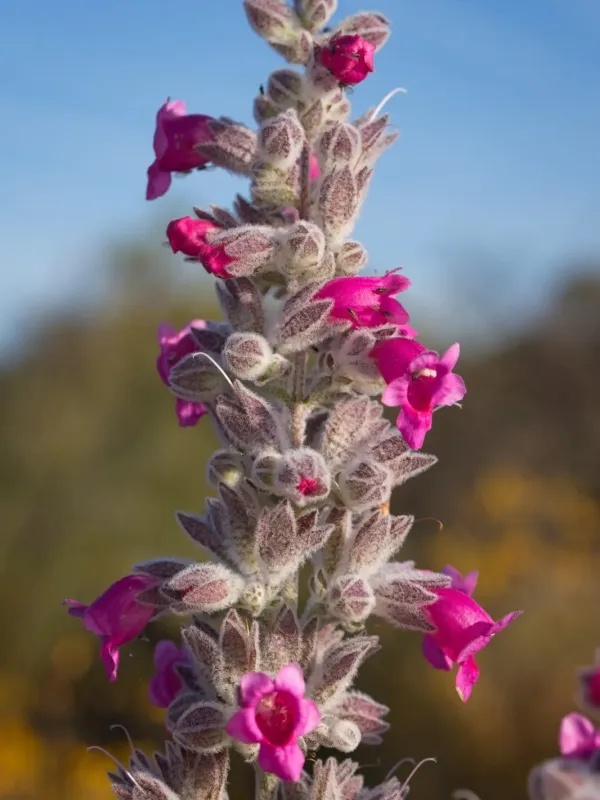
The plant is distinguished by its dense, tomentose indumentum covering the leaves and stems, which is a classic xerophytic adaptation designed to reduce water loss and protect delicate tissues from harsh solar exposure.
Successful cultivation of this species requires sandy, exceptionally well-draining soil. The plant is extremely susceptible to root pathogens if the growing medium remains moist for extended periods, making perfect drainage a priority for growers.
In terms of agricultural management, Pityrodia terminalis thrives in full sun exposure. It requires minimal intervention and is well-suited to regions where water scarcity precludes the growth of traditional, high-maintenance landscape or crop plants.
Current interest in this species focuses on its potential for xeriscaping and the reclamation of arid landscapes. As an indigenous species, it plays a vital role in maintaining the biodiversity of the Australian scrublands.