
Photinia parvifolia
Photinia parvifolia
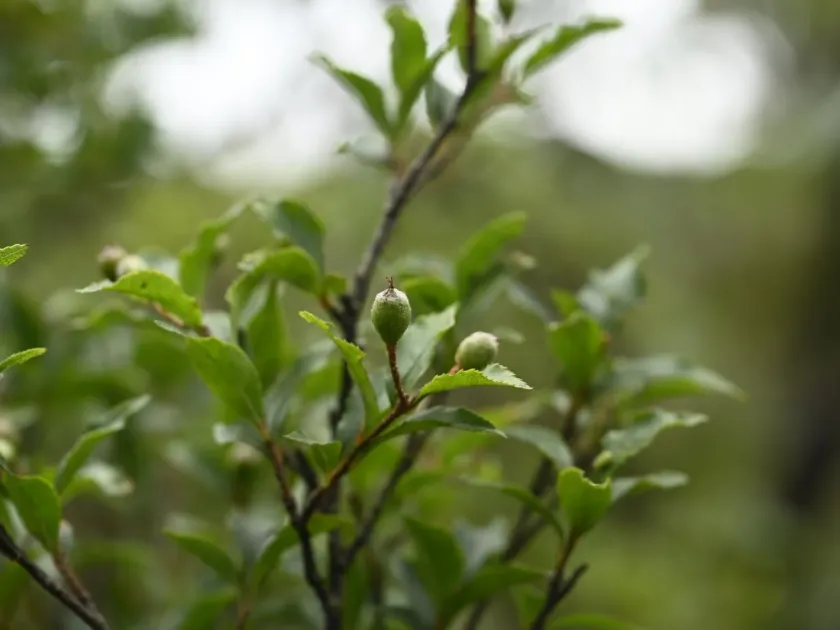
Description
Growing requirements
Photinia parvifolia is a perennial shrub belonging to the family Rosaceae. Native to East Asia, including China and Japan, this species is well-regarded for its compact growth habit and aesthetic appeal, making it a popular choice for ornamental horticulture.
The plant features distinct leaves and delicate flowers that bloom in clusters. It is often used in landscaping to provide structure and greenery throughout the year, especially in regions with mild winters where it maintains its foliage effectively.
Successful cultivation of this species requires well-draining soil that is rich in organic matter. A neutral to slightly acidic pH level is optimal for nutrient uptake, and gardeners should avoid waterlogged sites, as excessive moisture can lead to root stress and decline.
Photinia parvifolia prefers locations with full sun to partial shade. In its native habitat, it thrives in environments that provide protection from drying winds, so selecting a sheltered spot in the garden is crucial for maintaining plant vigor and leaf health.
Maintenance routines involve regular watering during establishment and dry spells, alongside biannual fertilization to support growth. Pruning is essential to maintain the desired shape and size, as well as to encourage fresh, healthy foliage development each season.
Main diseases and pests
The most significant threat to Photinia parvifolia is leaf spot disease, caused by fungi such as Entomosporium. This condition is characterized by dark spots on the leaves, which can lead to premature defoliation if left untreated during humid conditions.
Common insect pests include aphids, which tend to congregate on tender new growth. Infestations should be monitored closely and managed using insecticidal soaps or systemic treatments to prevent them from causing distorted growth or weakening the plant.
Scale insects represent another potential risk, as they attach themselves to the stems and branches. These pests can be difficult to eliminate once established, often requiring horticultural oils or specialized insecticides to manage effectively without damaging the plant.
Powdery mildew is another common concern, especially when air circulation around the shrub is inadequate. This fungal issue appears as a white, dusty growth on the foliage and is best managed by thinning out the canopy to improve airflow.
Proactive cultural management, such as clearing leaf debris from the base of the plant, helps reduce fungal spores. Maintaining plant health through proper fertilization and stress reduction remains the best defense against both diseases and pest outbreaks.