
Photinia integrifolia
Photinia integrifolia
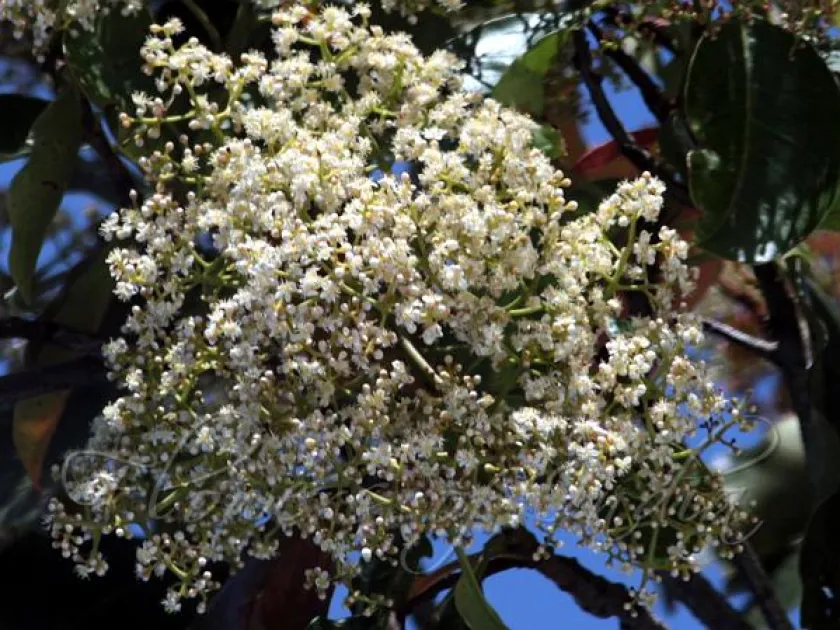
Description
Growing requirements
Photinia integrifolia is an evergreen shrub or small tree belonging to the Rosaceae family. It is native to the tropical and subtropical regions of Southeast Asia, where it thrives in humid forest habitats.
The plant is characterized by its glossy, elliptical leaves with entire margins, which provide a lush, year-round appearance. During the flushing period, young growth often displays vibrant bronze or red hues, which later mature into a deep, dark green.
This species is well-suited to warm, frost-free climates. In temperate regions, it is primarily grown as a greenhouse plant or a conservatory ornamental, as it cannot withstand prolonged exposure to temperatures below freezing.
For optimal growth, Photinia integrifolia requires fertile, well-draining soil with a slightly acidic to neutral pH. Proper soil structure is essential, as the plant is sensitive to root rot caused by stagnant water in the substrate.
The plant prefers full sun to partial shade. Ensuring adequate air circulation around the canopy is crucial to minimize the risk of foliar diseases, especially in environments with high humidity levels.
Main diseases and pests
Common phytopathological threats include fungal infections such as powdery mildew and leaf spot. These conditions typically emerge during periods of high humidity and poor ventilation within the foliage.
Insect pests, specifically scale insects, aphids, and spider mites, pose a significant risk to the plant's health. Infestations result in stunted growth, leaf discoloration, and premature foliage drop if left unmanaged.
- Implement regular pruning to improve light and airflow.
- Apply fungicide sprays at the first sign of leaf spots.
- Monitor for aphid and mite colonies during the spring flush.
- Use horticultural oils to control scale insects effectively.
- Maintain balanced fertilization to ensure strong plant defense.