
Davidson's Photinia
Photinia davidsoniae
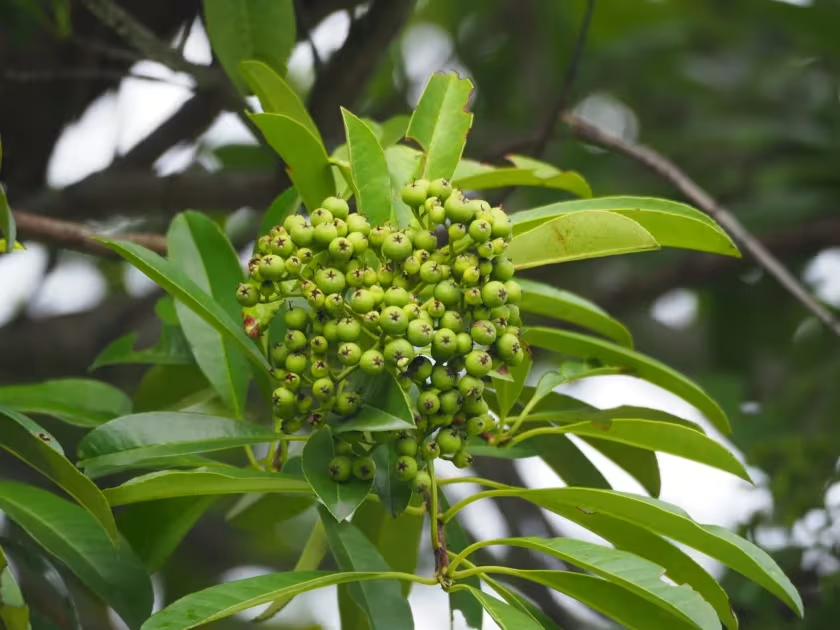
Description
Growing requirements
Davidson's Photinia (Photinia davidsoniae) is a robust evergreen species within the Rosaceae family. Originating from subtropical areas of China, this plant is highly valued for its dense foliage and aesthetic appeal in managed landscapes.
The species requires a position with full sun to partial shade to thrive optimally. It performs best in mild temperate climates and needs protection from harsh winter frost and drying wind gusts that can damage its foliage.
For successful cultivation, the plant demands well-drained, fertile soil. It is intolerant of waterlogged conditions, which can lead to rapid root decay; therefore, soil preparation with organic matter is highly recommended.
Botanically, it is characterized by leathery, evergreen leaves that possess a glossy texture. A unique feature of this variety is the vibrant copper or reddish hue of the new leaf growth, which darkens to a deep green as the leaves mature.
The horticultural application of this species is primarily focused on landscape design. It is frequently utilized for formal or informal hedging, privacy screens, and decorative topiary due to its excellent tolerance to frequent pruning.
Main diseases and pests
The most common pathological threat to this culture is leaf spot (entomosporium), which manifests as dark lesions on the foliage. Proper sanitation and the application of fungicides are necessary to mitigate its impact.
Powdery mildew may occur in environments with high humidity and poor air circulation. Thinning the canopy through pruning is a crucial maintenance step to improve air movement and reduce fungal spore pressure.
Scale insects are common pests that feed on the sap of twigs and branches. Regular monitoring and the application of horticultural oils or systemic insecticides help keep populations below the economic threshold.
Aphid infestations can occasionally impact new, succulent growth. These pests can be managed through biological controls or targeted application of registered insecticides if an outbreak occurs during the growing season.
Integrated pest management, combined with balanced nutrition, ensures that Davidson's Photinia remains healthy and resilient. Avoiding drought stress and overly moist soil conditions significantly lowers the susceptibility of the plant to various diseases.