
Photinia glomerata
Photinia glomerata
Description
Growing requirements
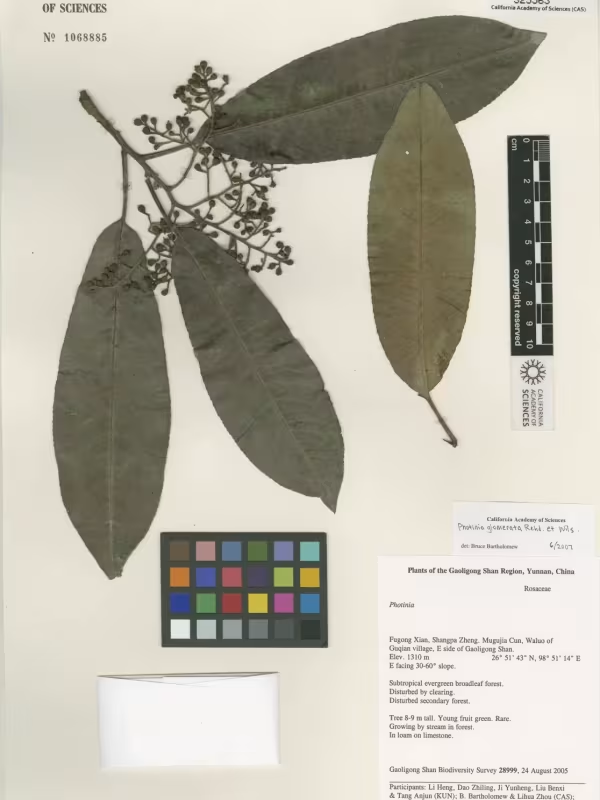
Photinia glomerata is an evergreen shrub or small tree belonging to the Rosaceae family. It is widely recognized for its dense habit and foliage that often displays distinct coloration during the flushing phase, making it a highly valued plant for ornamental hedging and structural planting.
Originating from East Asia, this species thrives in climates where seasonal variations are not extreme. In cultivation, it serves as a versatile element in garden design, often used for privacy screens due to its ability to maintain thick, evergreen leaves throughout the winter months.
The plant requires well-drained, fertile soil to reach its full potential. It prefers positions with full sun to partial shade, which encourages more vigorous growth and denser leaf production. Soil pH should ideally be neutral or slightly acidic to ensure optimal nutrient uptake for the root system.
Agricultural management involves regular watering during establishment and periods of drought, along with seasonal pruning to manage size and density. Nitrogen-rich fertilizers applied in early spring help stimulate healthy leaf growth and enhance the overall vigor of the shrub.
For colder regions, providing a sheltered location is essential to protect the foliage from cold, drying winds. Applying a layer of organic mulch around the base of the plant helps regulate soil temperature and moisture levels, contributing to long-term plant health and resilience.
Main diseases and pests
The most significant pathological threats to Photinia glomerata are fungal diseases such as leaf spot, especially in environments with poor air circulation. Symptoms often include discolored spots on the leaves, which can lead to defoliation if not treated with appropriate fungicides.
Pests such as aphids, scale insects, and spider mites can occasionally affect the plant, particularly during warm, dry weather. These insects target young shoots and leaves, necessitating periodic inspections and the use of insecticidal soap or horticultural oils when infestations are detected.