
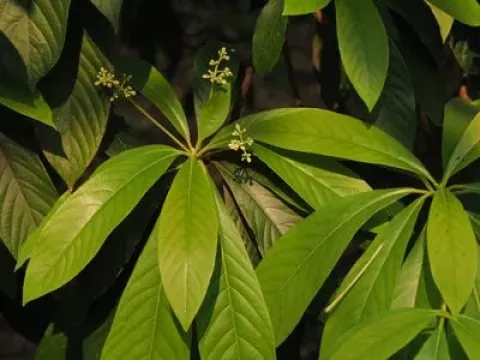
Phoebe
Phoebe
Propagation of Phoebe species is primarily achieved through seeds, which should be sown promptly after harvesting due to their rapid loss of viability.
What the section contains
 Phoebe bootanica
Phoebe bootanica
Phoebe bootanica
 Phoebe cavaleriei
Phoebe cuneata
Phoebe cuneata
Phoebe declinata
Phoebe declinata
Phoebe cavaleriei
Phoebe cavaleriei
Phoebe cuneata
Phoebe cuneata
Phoebe declinata
Phoebe declinata
 Phoebe excelsa
Phoebe excelsa
Phoebe excelsa
 Phoebe formosana
Phoebe formosana
Phoebe formosana
 Phoebe grandis
Phoebe grandis
Phoebe grandis
 Phoebe lanceolata
Phoebe macrophylla
Phoebe macrophylla
Phoebe sheareri
Phoebe sheareri
Phoebe sterculioides
Phoebe sterculioides
Phoebe tenuifolia
Phoebe tenuifolia
Phoebe lanceolata
Phoebe lanceolata
Phoebe macrophylla
Phoebe macrophylla
Phoebe sheareri
Phoebe sheareri
Phoebe sterculioides
Phoebe sterculioides
Phoebe tenuifolia
Phoebe tenuifolia
Phoebe
Seedbeds must be prepared with well-aerated, fertile soil to ensure successful germination and to prevent premature rotting of the sensitive seeds.
Careful removal of the fruit pulp is essential to mitigate the risk of fungal infections that can occur during the initial stages of seedling development.
Vegetative propagation via cuttings is sometimes utilized, requiring careful humidity control and hormone treatment to achieve successful root initiation.
The transition from nursery to permanent plantation site occurs when the saplings show robust root development and sufficient acclimatization to environmental light levels.
The genus Phoebe, part of the Lauraceae family, thrives in tropical and subtropical climates, requiring consistent temperatures and protection from cold snaps.
Soil requirements involve deep, well-draining substrates as the trees are highly susceptible to root damage caused by waterlogged or compacted conditions.
These trees prefer environments with high atmospheric humidity, which is critical for their optimal growth rates and wood density accumulation.
While young plants benefit from partial shade, mature trees require significant exposure to sunlight to develop the desired structural integrity of the timber.
Land selection for Phoebe cultivation should prioritize sites with wind protection to avoid stem deformation and branch breakage during extreme weather events.
Root rot pathogens represent the most significant threat to Phoebe plantations, often resulting from poorly drained soils and excessive moisture retention.
Boring insects and various ksilophagous pests can infiltrate the trunks, causing severe damage to the internal wood structure and reducing its commercial value.
Foliar infections occasionally occur in dense stands where air circulation is restricted, potentially leading to reduced photosynthetic efficiency.
Integrated pest management strategies are recommended to maintain plantation health, focusing on regular monitoring and the removal of infected plant parts.
Minimizing the use of harsh chemicals ensures long-term ecosystem health, favoring cultural practices such as thinning and pruning to enhance tree vigor.
Harvesting Phoebe timber is a long-term process, requiring trees to reach physiological maturity, which typically occurs after several decades of growth.
The logging process is followed by a meticulous seasoning phase, where controlled drying prevents splitting and stabilizes the wood for later use.
The wood's durability, aesthetic grain patterns, and rot resistance make it highly prized in the luxury furniture and cabinet-making industries.
Commercial applications range from high-end cabinetry and decorative veneers to specialized woodcraft that demands strength and visual appeal.
Sustainable forestry practices are crucial for the continued availability of this premium timber, ensuring that extraction does not outpace natural regeneration rates.