
Phoebe lanceolata
Phoebe lanceolata
Description
Growing requirements
Phoebe lanceolata is a significant evergreen tree belonging to the Lauraceae family, native to the subtropical regions of the Himalayas and Southeast Asia. It is highly regarded for its dense timber, which is durable and resistant to various environmental pressures.
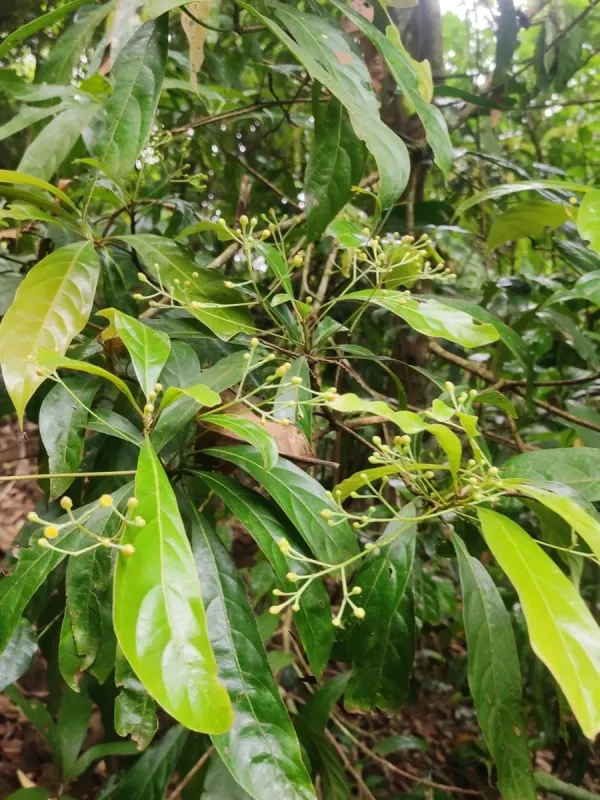
The tree exhibits a moderate growth rate and thrives in high-altitude environments where rainfall is abundant. Its botanical structure is defined by long, lanceolate leaves that maintain a deep green hue throughout the year, contributing to its aesthetic and commercial value.
To cultivate this species effectively, one must ensure a site with deep, fertile soil that offers excellent drainage. Waterlogging is detrimental to Phoebe lanceolata and must be avoided to prevent root system suffocation.
Climate requirements involve consistent warmth and high atmospheric humidity. While it can adapt to some variations, extreme cold or prolonged arid spells can severely restrict its development and timber quality.
Agronomic management includes careful thinning of stands to prevent overcrowding, which allows for better air circulation and light penetration, essential for developing a straight and healthy main trunk.
Main diseases and pests
The primary threats to Phoebe lanceolata include fungal pathogens such as Phytophthora, which can cause severe root rot if soil moisture management is neglected or if drainage systems fail.
Insects and pests also pose a significant challenge. Various species of boring beetles and leaf-miners are known to target the tree, potentially damaging the wood structure and reducing the overall productivity of the plantation.
Effective management against these threats relies on integrated pest management (IPM) practices, including the use of pheromone traps and biological control agents to maintain the health of the tree population.
Soil-borne diseases are often exacerbated by the accumulation of debris around the base of the trees. Maintaining a clean cultivation area is a simple yet vital practice to prevent the harboring of harmful bacteria and fungi.
Regular inspections are necessary to detect early signs of infestation. Prompt application of appropriate fungicides or insecticides is crucial to prevent widespread loss in commercial timber crops.