
Phoebe excelsa
Phoebe excelsa
Description
Growing requirements
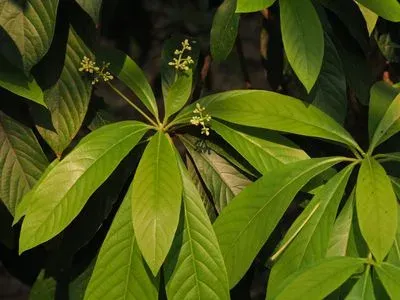
Phoebe excelsa is a large evergreen tree species belonging to the Lauraceae family. In its natural habitat, the tree develops a substantial trunk and a dense canopy, which is a signature characteristic of the lush subtropical forests where it resides.
The natural range of this species extends across the mountainous regions of India, Nepal, and adjacent areas of Southeast Asia. The culture thrives in specific ecological niches characterized by high atmospheric humidity and consistently warm temperatures throughout the year.
Successful cultivation of this Lauraceae representative requires deep, well-drained soils rich in organic matter. The plant is highly sensitive to waterlogging, making the selection of sites with excellent root aeration a fundamental prerequisite for its healthy development.
The tree exhibits specific light requirements, preferring filtered light during its sapling stage and transitioning to full sunlight as it matures. Optimal average annual temperatures for Phoebe excelsa typically range between 18 and 25 degrees Celsius.
The economic value of this species is largely derived from its durable and high-quality timber, which is highly sought after in woodworking and construction for its resistance to environmental decay. Additionally, the tree plays a vital role in soil stabilization in mountainous terrain.
Main diseases and pests
Primary threats to this culture involve fungal infections, which often occur when humidity levels are mismanaged or air circulation is insufficient. Pathogens can attack both the root system and the foliage, particularly in greenhouse or nursery environments.
Pests typical to the region of origin include various leaf-eating insects and wood-boring pests, which can significantly hinder the growth rate of young plantings. Regular monitoring and integrated pest management are essential components of silvicultural practice.