
Persea humilis
Persea humilis
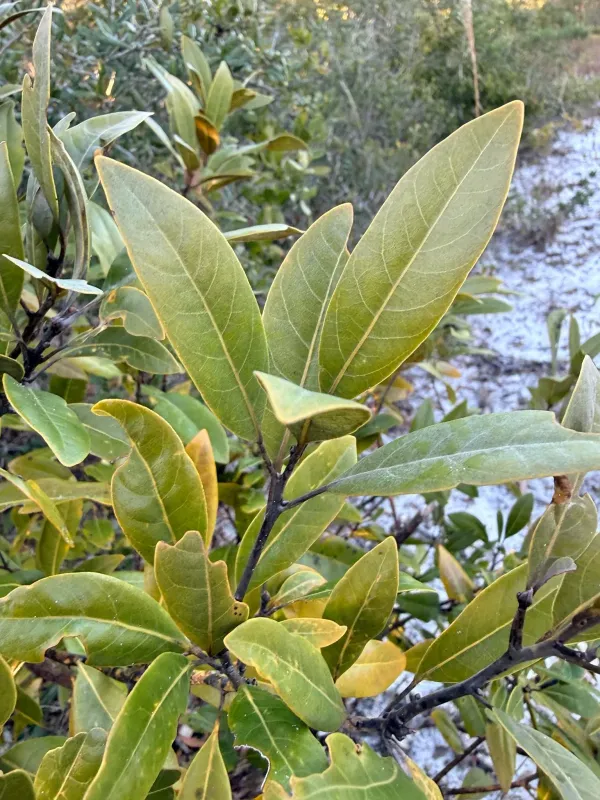
Description
Growing requirements
Persea humilis, commonly known as the scrub bay, is a distinct species within the Lauraceae family. Unlike its relative, the commercial avocado, this plant is characterized by a low-growing, shrubby habit, specifically adapted to arid coastal environments.
The native range of this species is limited to the xeric sandhills and scrublands of Florida. Its evolutionary history has endowed it with high resistance to nutrient-poor soils and sandy substrates that hold very little moisture.
Light requirements for Persea humilis are high. It thrives in full sun exposure, which is necessary for maintaining its dense, low-branching structure. In shaded environments, the plant tends to become spindly and loses its natural resilience.
Soil drainage is the single most critical factor for successful cultivation. The root system is extremely sensitive to waterlogging and anaerobic conditions, necessitating well-draining sandy or rocky soils to prevent root rot diseases.
Climate needs are strictly subtropical. While it handles drought well, it is sensitive to severe frost. Optimal growth is observed in regions with mild winters and dry, warm summers, mimicking the conditions of its native Florida scrub habitat.
Harvesting
Economic and agricultural usage of Persea humilis is primarily restricted to ornamental horticulture and botanical research. It is rarely utilized for fruit production due to the small size and limited yield of its berries compared to commercial avocado cultivars.
Harvesting, when conducted for research or seed collection, is performed manually. Due to the plant's delicate branches and low stature, mechanical harvesting is not feasible, making seed gathering a labor-intensive process.
The botanical value of the plant lies in its potential as a genetic resource. Researchers utilize Persea humilis in breeding programs to confer drought tolerance and soil adaptability to more commercial species of the Persea genus.
Post-harvest handling of the fruits requires careful management of humidity. The high oil content of the fruits makes them susceptible to rapid oxidative rancidity if stored in improperly ventilated or overly humid conditions.
Propagation is mostly achieved through seeds, which require specific stratification periods to break dormancy. Nursery cultivation requires careful monitoring of irrigation to avoid the common pitfalls of fungal pathogens that attack the seedlings.