
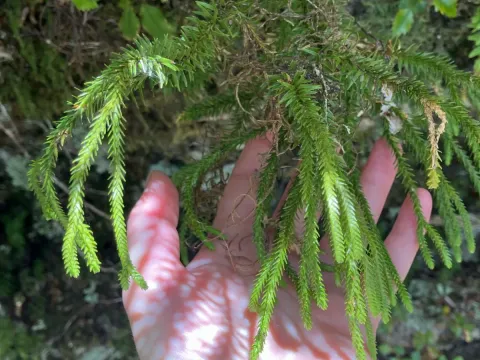
Phlegmariurus
Phlegmariurus (Herter) Holub
Phlegmariurus is a genus of vascular plants belonging to the Lycopodiaceae family. These plants, often referred to as tassel ferns, are highly prized by collectors for their unique, cascading growth habit and intricate foliage structures that add a prehistoric aesthetic to any interior or greenhouse collection.
What the section contains

Phlegmariurus
Originating from tropical and subtropical regions worldwide, these plants are primarily epiphytes. In their natural habitat, they inhabit the forest canopy, requiring high atmospheric humidity and bright, indirect light to thrive and successfully produce their spore-bearing strobili.
Cultivation requirements focus heavily on the substrate composition. Since these are not traditional soil-dwelling plants, they require a very airy, well-draining mixture consisting of long-fibered sphagnum moss, orchid bark, and perlite to ensure the roots receive adequate oxygen while remaining moist.
Watering must be meticulous. It is essential to use soft or distilled water, as these plants are sensitive to the mineral buildup found in tap water. The medium should never dry out completely, yet it should never remain waterlogged to prevent root asphyxiation.
Environmental stability is key to success. Phlegmariurus plants do not tolerate drafts, sudden temperature shifts, or exposure to heating elements. They flourish in stable conditions with temperatures ranging from 18 to 22 degrees Celsius and high humidity levels above 65 percent.
Pest management is crucial for the health of Phlegmariurus. The most common threats include scale insects and mealybugs, which are notoriously difficult to control due to the dense growth habit and the complex arrangement of the leaves where these pests tend to hide.
Fungal infections, particularly root rot, represent the most significant threat to plant longevity. These issues are almost always caused by improper drainage or an over-reliance on potting mixes that hold too much water, preventing the roots from 'breathing'.
When pests are detected, localized treatment with neem oil or gentle horticultural soaps is recommended. It is vital to avoid heavy-duty chemical pesticides, as the delicate tissues of Lycopodiaceae species can be phytotoxic to many harsh synthetic formulas.
To prevent disease, ensuring adequate air circulation around the canopy is essential. Stagnant air environments promote the growth of mold and mildew on the foliage, which can quickly lead to necrosis of the younger, more tender shoots.
Maintaining a strictly sterile environment for propagation and repotting is a primary defensive measure. Using sanitized tools and fresh, high-quality substrate reduces the risk of introducing pathogens that could devastate a specimen.