
Phialocephala
Phialocephala W.B. Kendr.
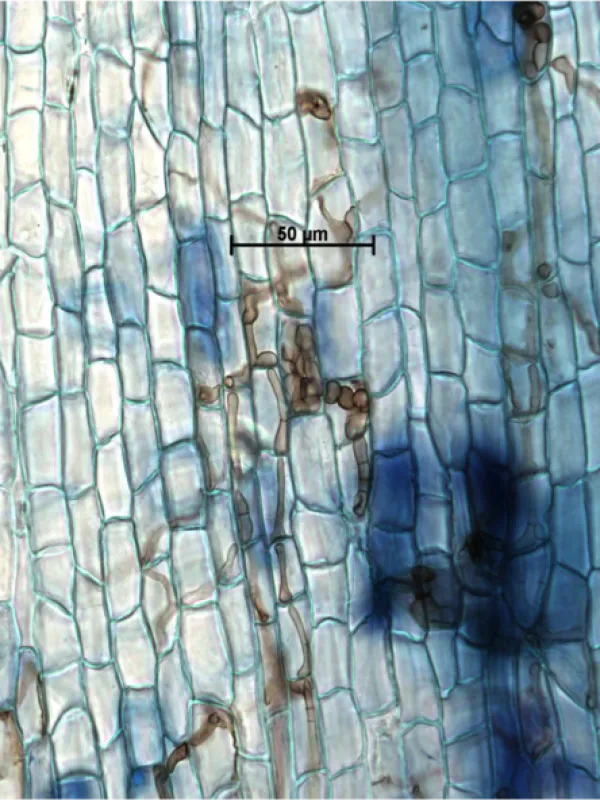
Description
Growing requirements
The genus Phialocephala consists of dark septate endophytes (DSE) that are vital components of many ecosystems. These fungi are not cultivated crops but are essential microorganisms that colonize the root systems of various plant species, particularly in forest and alpine environments.
These fungi thrive in diverse climates, showing a remarkable ability to colonize soils that are considered nutrient-poor. Their ecological niche is characterized by the formation of microsclerotia within the plant roots, which provides a structural framework for nutrient exchange.
The climate requirements for Phialocephala are broad, as they have evolved to withstand extreme temperature fluctuations. They are particularly active in cool, moist soil conditions where organic matter decomposition is slower, allowing them to access sequestered nutrients.
Agricultural techniques involving these fungi focus on soil health preservation. In forestry, protecting these natural fungal populations is critical, as they enhance the ability of saplings to survive transplanting shock and adapt to new soil conditions.
The symbioses between Phialocephala and host plants are complex. By facilitating the transport of nitrogen and phosphorus from the soil matrix to the plant, they act as natural fertilizers, significantly improving plant resilience against environmental stress factors.
Main diseases and pests
Potential threats to plant health involving Phialocephala typically arise when the balance of the host plant's immune system is disturbed. While they are usually beneficial symbionts, specific conditions can lead them to behave as opportunistic pathogens.
Excessive use of broad-spectrum fungicides represents a major threat to these fungi. Such chemical applications can eradicate beneficial endophyte communities, leaving the root system vulnerable to colonization by more aggressive pathogenic organisms.
Management of these fungal populations requires a holistic approach. Maintaining balanced soil moisture and avoiding waterlogging is essential to prevent the transition from beneficial symbiosis to root rot, which can happen under conditions of low oxygen in the soil.
Biocontrol strategies involve fostering a diverse soil microbiome. When Phialocephala is part of a healthy, diverse community, it tends to remain in a mutualistic state, contributing to the overall stability of the plant's health.
Monitoring the composition of the rhizosphere is recommended for agricultural and forestry operations. If symptoms of root stress appear, adjusting soil aeration and organic mulch application can often restore the natural balance between the plant and the fungus.