
Phagnalon saxatile
Phagnalon saxatile
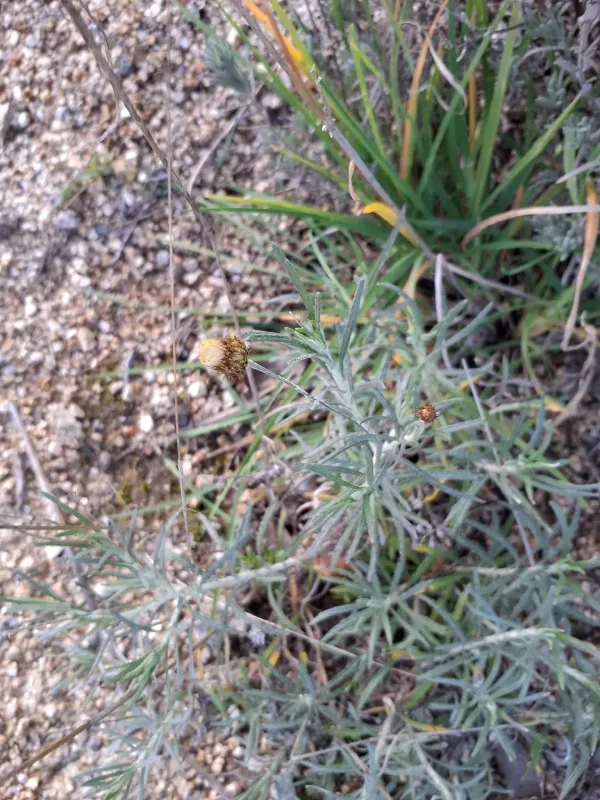
Description
Sowing dates
Phagnalon saxatile is typically propagated by seeds. Sowing should take place in early spring under protected conditions or in a greenhouse environment to ensure a controlled start for the young plants.
Seeds are small and should be scattered over a well-draining, sandy substrate. Pressing them lightly into the surface is sufficient, as they require light for optimal germination.
Maintaining a steady temperature is crucial for early development. Once seedlings reach the stage of two or three true leaves, they can be transplanted into individual pots to strengthen their root systems.
Gradual acclimatization to outdoor conditions is necessary before final planting. This process, known as hardening off, helps the plant adjust to external wind and temperature fluctuations.
Direct sowing in the field is only recommended in mild climates where the soil remains warm and well-aerated throughout the growing season.
Growing requirements
As a member of the Asteraceae family, this species is native to rocky, arid Mediterranean environments. It thrives in conditions that would be challenging for many other agricultural crops.
The plant requires full sun exposure to flourish. It has evolved as a xerophyte, meaning it is highly adapted to water-stressed environments and sandy or rocky soils.
Soil quality should be lean, alkaline, and exceptionally well-drained. Heavy clay soils are unsuitable and will likely cause root decay, which is the primary cause of failure for this species.
Climate-wise, Phagnalon saxatile prefers a Mediterranean-style climate with hot, dry summers and mild, wet winters. Protection against frost is advised in temperate climates to ensure winter survival.
Nutrient requirements are minimal. Over-fertilization can result in weak, succulent growth that is more susceptible to disease and pest damage than plants grown in native-like conditions.
Main diseases and pests
The most significant threat to Phagnalon saxatile is excessive moisture. Root rot is a persistent problem when drainage is insufficient or when the soil remains waterlogged for extended periods.
Poor ventilation can lead to fungal issues, including powdery mildew. Providing adequate spacing between plants is essential to allow for constant airflow around the foliage.
Pests like aphids and spider mites can occasionally affect the plant, particularly in sheltered or greenhouse environments where natural predators are absent.
Gastropods, such as slugs and snails, may target young, tender seedlings in the spring. Using coarse mulching materials, like gravel or crushed stone, can help deter these pests.
Integrated pest management strategies are recommended, focusing on maintaining optimal environmental conditions rather than relying solely on chemical interventions.