
Phagnalon pygmaeum
Phagnalon pygmaeum
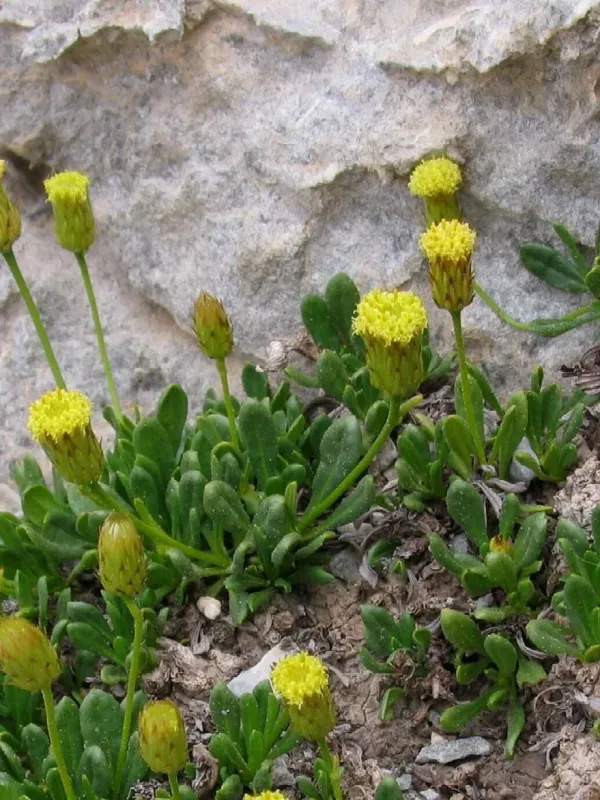
Description
Sowing dates
Phagnalon pygmaeum is primarily a wild species, and there are no standardized industrial agricultural protocols for its cultivation. Propagation is usually achieved through seeds, requiring greenhouse conditions for early development.
Seeds typically exhibit dormancy, so cold stratification is recommended to improve germination rates. Sowing should be done in a light, sandy substrate that allows for rapid drainage to avoid seedling rot.
Transplanting into open ground should take place after all risks of frost have passed, usually in mid-spring. The young plants are highly sensitive to moisture stress, so site selection is crucial for survival.
Given its natural growth cycle in Mediterranean climates, spring planting is most effective. Ensuring maximum exposure to sunlight from the germination stage is vital for a healthy, compact plant habit.
When planting in garden settings, spacing should be at least 20 centimeters between specimens to ensure proper airflow and to prevent competition for light and mineral nutrients.
Growing requirements
This plant belongs to the Asteraceae family and is a true xerophyte adapted to harsh conditions. It thrives in stony, calcareous soils that are low in organic matter but high in mineral content.
High light intensity is essential for Phagnalon pygmaeum. Any shade will cause the plant to lose its compact, woolly appearance, often leading to etiolation and a decline in overall plant health.
The ideal climate is warm and dry, with the plant being highly tolerant of prolonged drought. Conversely, high humidity and waterlogged soil are extremely detrimental to its root system.
The soil should have a neutral to slightly alkaline pH level. Avoid high-nitrogen fertilizers or fresh manure, as these can easily damage the roots and encourage excessive, weak vegetative growth.
Agricultural management is minimal, focusing mainly on weed control and protecting the plants from excess water. It is a low-maintenance species that prefers to be left in undisturbed rocky conditions.
Yield
Yield metrics for Phagnalon pygmaeum are not applicable in standard agriculture, as the plant is not grown for biomass or fodder. Its value lies in ornamental potential and academic botanical study.
The growth rate of this dwarf species is very slow, which limits its production potential. Most cultivated specimens are grown in botanical collections or specialized rock gardens rather than for volume.
Seed production occurs during the mid-to-late summer months, but harvesting is labor-intensive due to the small size of the flowering heads and non-uniform ripening of the achenes.
Essential oil content within the leaves and flowers may vary based on environmental stress levels. High levels of solar radiation are thought to promote the accumulation of secondary metabolites.
Because of its niche status, there is no significant commercial yield per hectare, and any production remains strictly at the experimental or hobbyist scale.
Main diseases and pests
Root rot is the most significant threat to Phagnalon pygmaeum. This usually occurs when the soil retains too much moisture, leading to the rapid decay of the plant's delicate root system.
Pests like the spider mite can become an issue in poorly ventilated greenhouses or protected environments. The dense tomentum on the leaves creates hiding spots for these small pests.
Aphids may occasionally target young flowering shoots during the spring season. Integrated pest management using mild, non-toxic solutions is preferred to protect the plant's delicate hairs.
Weed competition is a major threat during the establishment phase, as the slow-growing dwarf plant can easily be overwhelmed by more aggressive grasses or weeds in the surrounding soil.
Bacterial infections are rare if proper soil drainage and ventilation are maintained. The species is generally hardy against common pests provided the environmental conditions mimic its natural rocky habitat.