
Phagnalon graecum
Phagnalon graecum
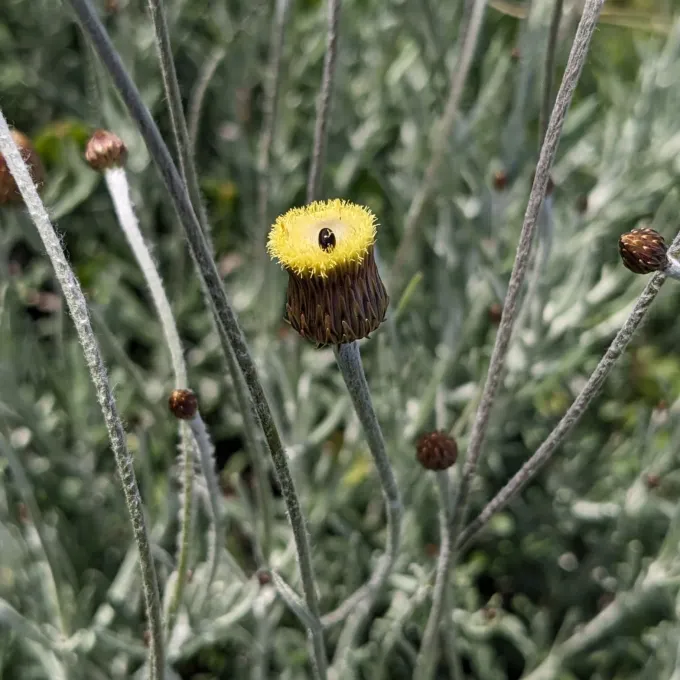
Description
Growing requirements
Phagnalon graecum is a perennial herbaceous plant belonging to the Asteraceae family. It is native to the Mediterranean region, typically inhabiting rocky crevices, dry slopes, and arid environments.
As a xerophytic plant, it has evolved specific adaptations, such as tomentose (woolly) leaves and stems, which help reflect sunlight and reduce transpiration in harsh, dry climates.
The ideal growing conditions require well-drained, nutrient-poor, stony soils. It thrives in sunny locations and is highly tolerant of intense heat, making it suitable for Mediterranean-style rock gardens.
Proper water management is essential; the plant requires very little water during its active growing season and prefers to be kept dry during its dormant winter phase to prevent rot.
In terms of usage, the plant is valued primarily for its ornamental silvery foliage and its limited, though notable, historical use in folk medicine within its native range.
Main diseases and pests
The most significant threat to Phagnalon graecum is root rot caused by poor soil drainage and excess moisture, which is the leading cause of plant mortality in non-native environments.
Aphids can cause damage to the tender parts of the plant during the spring, leading to stunted growth. Monitoring and physical removal or biological control are recommended strategies.
Powdery mildew may occur if the plant is grown in areas with high humidity and stagnant air. Proper spacing and location choice are critical to minimize this risk.
Soil-borne pathogens like nematodes can weaken the plant by feeding on root tissues. Using sterilized planting media or well-managed soil is a standard preventive measure.
Improper fertilization can lead to overly lush growth that loses the plant's characteristic compact habit, eventually making it more susceptible to environmental stress and pests.