
Phagnalon barbeyanum
Phagnalon barbeyanum
Description
Sowing dates
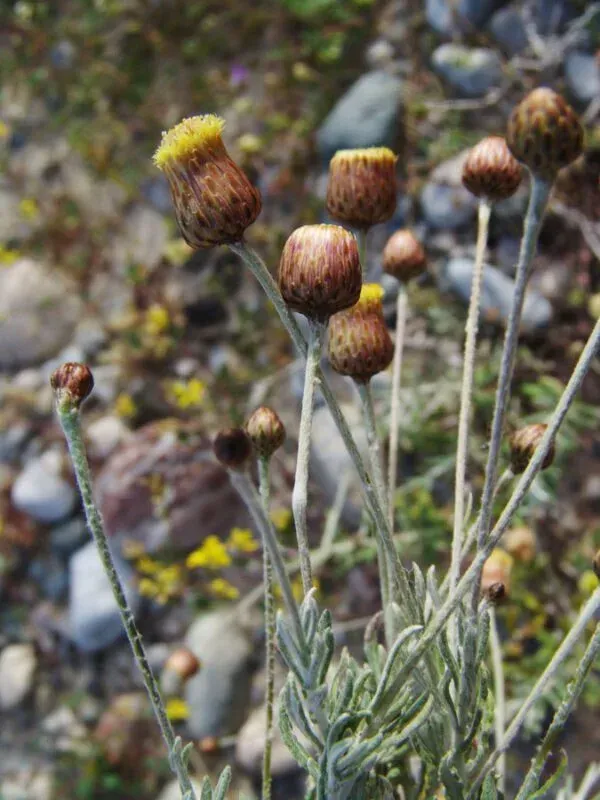
Phagnalon barbeyanum is a perennial herbaceous plant belonging to the Asteraceae family. For successful cultivation, seeds should be sown during the early spring when the soil reaches a stable temperature.
Preparation of the growing medium is critical, as the seeds of this species are small and delicate. Using a sandy, well-draining soil mix is highly recommended to provide the necessary structure for root development.
The planting depth should not exceed 0.5 to 1 cm. Proper spacing is essential to ensure that each plant receives adequate sunlight and ventilation, which are crucial for preventing fungal issues in the early stages.
Consistent, low-volume irrigation is preferred after sowing to keep the substrate slightly moist without drowning the emerging sprouts, as excessive water can cause the seeds to rot.
Seedlings can also be started in containers under controlled greenhouse conditions, which allows for better management of environmental variables before transplanting them into the field.
Growing requirements
Phagnalon barbeyanum thrives in arid and semi-arid conditions, reflecting its natural habitat in Mediterranean and Middle Eastern regions. It is highly adapted to harsh environments.
The plant demands full sunlight throughout the day. Shade can severely impact the quality of the essential oils produced, so selecting an open site with southern exposure is essential for commercial success.
Soil requirements are relatively modest. It prefers rocky, sandy, or poor-quality soils with excellent drainage. High-nutrient or heavy clay soils should be avoided, as they promote undesirable vegetative growth over active compound production.
Temperature management is straightforward, as the plant is naturally resistant to high heat. However, it requires a frost-free environment for young plants to establish a strong root system during the first year.
Watering should mimic its natural environment: infrequent but regular enough to maintain the plant's health during the peak of the growing season while ensuring long periods of dry soil.
Yield
The yield of Phagnalon barbeyanum is measured by the quality and quantity of its aerial biomass, which is used in the manufacturing of essential oils and specialized organic extracts.
Harvesting at the peak of the flowering phase is critical to maximizing the concentration of active chemical compounds. The plant provides consistent yields when grown in stable, well-managed field plots.
Productivity is maintained by weeding and managing competing flora. Phagnalon barbeyanum is a relatively slow grower, so controlling weeds in the early months is vital for securing a viable harvest.
The economic value of this crop is tied to its unique profile of phytochemicals, making it a niche but potentially high-value product for the pharmaceutical and natural cosmetic industries.
With correct agricultural practices, plantations can remain productive for several years, providing a steady supply of raw material for distillation or drying processes.
Main diseases and pests
The primary threats to this species are root rot and leaf fungi, which are almost always linked to excessive moisture and poor soil aeration. Improving field drainage is the best defense against these pathogens.
Pests such as aphids and spider mites may target the plant during hot, dry spells. Regular inspection is necessary to detect early infestations before they require large-scale intervention.
Biological controls are preferred over synthetic pesticides, as the crop is often sought for its organic and clean properties, which can be compromised by chemical residues.
Maintaining a clean field environment by removing debris and ensuring proper spacing between rows significantly reduces the risk of pest populations settling in the area.
Monitoring the soil pH and nutrient levels is also important, as an imbalance can weaken the plants and make them more susceptible to common secondary infections.
Harvesting
Harvesting should occur on dry, sunny days to ensure the harvested material has no surface moisture, which would otherwise lead to mold during the storage phase.
Immediately after cutting, the biomass must be moved to a drying shed where indirect light and strong airflow are provided to preserve the volatile essential oils and active ingredients.
Temperature control during drying is essential; the material should be processed at low temperatures to avoid denaturing its delicate chemical structure.
Once dried, the plant material is cleaned and packed, usually in breathable bags that protect the integrity of the herbs during transport to industrial facilities.
Proper harvest techniques guarantee that the final product retains its natural fragrance and therapeutic potency, meeting the high expectations of the buyers.