
Pereskia weberiana
Pereskia weberiana
Description
Growing requirements
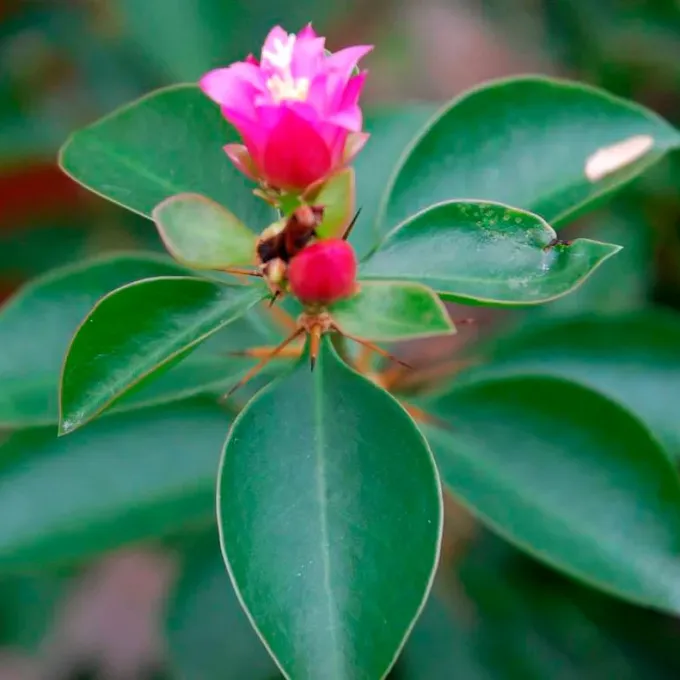
Pereskia weberiana belongs to the Cactaceae family and represents a fascinating evolutionary link within the cactus group. Unlike most cacti, this species retains fully developed, succulent-like leaves, which allow it to thrive in tropical forest edges rather than strictly arid deserts.
Originating from the tropical regions of Bolivia, this plant naturally occurs in areas with distinct seasonal climates. It grows as a woody shrub, requiring space for its stems and branches to spread, which makes it an interesting subject for specialized botanical collections and greenhouses.
The cultural requirements include a well-draining, nutrient-rich potting mix that prevents waterlogging. Proper aeration of the root system is vital for the development of healthy, dense foliage and strong stems, as the plant is susceptible to root rot if kept in dense or stagnant soil.
Temperature management is crucial; the plant prefers warm environments and should not be subjected to frost. In temperate climates, it must be kept in controlled greenhouse conditions, where it can maintain its metabolic activity throughout the year without thermal stress.
Agrotechnical care involves consistent watering during the growing season, allowing the soil to dry out slightly between waterings. Bright, filtered light is ideal for maintaining the plant's structural integrity and ensuring optimal rates of photosynthesis for its leafy appendages.
Main diseases and pests
The main threats to Pereskia weberiana are fungal infections resulting from excessive soil moisture or high humidity coupled with poor airflow. Preventative measures include the use of porous growing media and strict adherence to moisture control schedules to avoid anaerobic conditions in the soil.
Insect pests, particularly aphids, mealybugs, and spider mites, are common nuisances in greenhouse settings. Effective management involves consistent monitoring and the application of systemic or contact insecticides when pest populations exceed acceptable levels, while maintaining good hygiene in the cultivation area.