
Pereskia diaz-romeroana
Pereskia diaz-romeroana
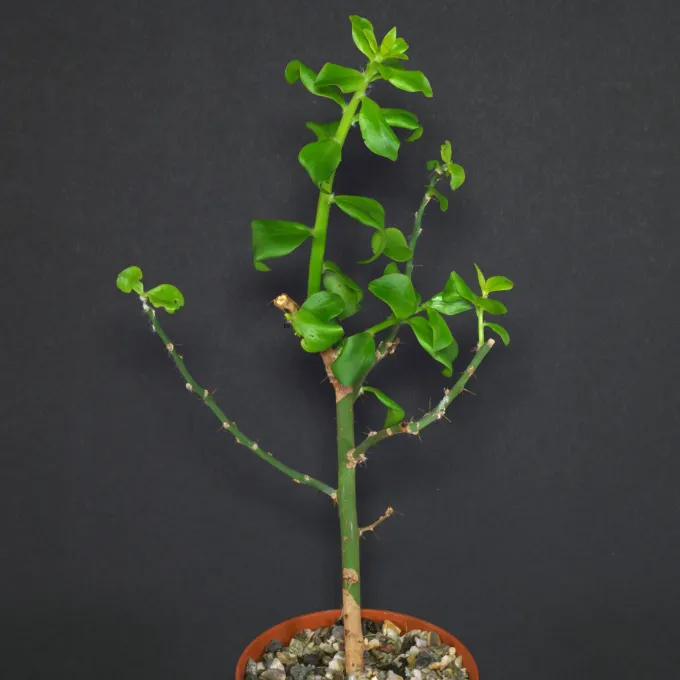
Description
Sowing dates
Propagation of this species is most successfully achieved through stem cuttings. The optimal window for this activity is during the late spring and early summer when the plant is in a vigorous growth phase.
Cuttings should be allowed to callus for several days before being inserted into a well-draining rooting medium. This prevents the absorption of excess moisture and subsequent rotting.
Seed propagation is also possible but requires precise environmental control. Seeds should be sown in a sterile, porous mix and kept at a steady temperature of around 25°C.
Young plants require consistent humidity during the initial weeks of rooting. A propagation dome or clear plastic cover can help maintain the necessary moisture levels without saturating the soil.
Proper sanitation of tools and pots during the propagation process is essential to ensure a high success rate and prevent the transmission of pathogens.
Growing requirements
Pereskia diaz-romeroana is a member of the Cactaceae family, known for its non-succulent appearance and presence of broad, fleshy leaves. It originates from tropical South American habitats.
This plant thrives in bright, filtered light. While it is more tolerant of shade than typical desert cacti, excessive darkness will cause it to become leggy and lose its characteristic form.
The substrate must be highly porous and loose. A standard cactus mix amended with perlite or pumice provides the necessary aeration to prevent root suffocation.
Temperature management is crucial; the plant should ideally be kept between 20°C and 28°C during the growing season. It should be protected from any temperature below 12°C.
Irrigation should follow the soak-and-dry method. Ensure the potting medium is mostly dry before re-watering, especially during the winter dormant season.
Main diseases and pests
Common pests include spider mites and mealybugs. These insects often cluster in the leaf axils, making regular inspection a critical part of the maintenance routine.
Root rot is the most significant physiological disorder caused by overwatering or poor drainage. Once established, it can rapidly deteriorate the plant's health.
Fungal leaf spots can develop if humidity is too high without adequate air circulation. Improving ventilation around the plant is the most effective preventative measure.
Chemical control should be used judiciously, opting for systemic insecticides if infestations are detected early. Always follow the manufacturer's dosage guidelines.
Keeping the plant clean from dust by gently wiping the leaves ensures proper gas exchange and helps in identifying early signs of pest activity.