
Pereskia aculeata
Pereskia aculeata
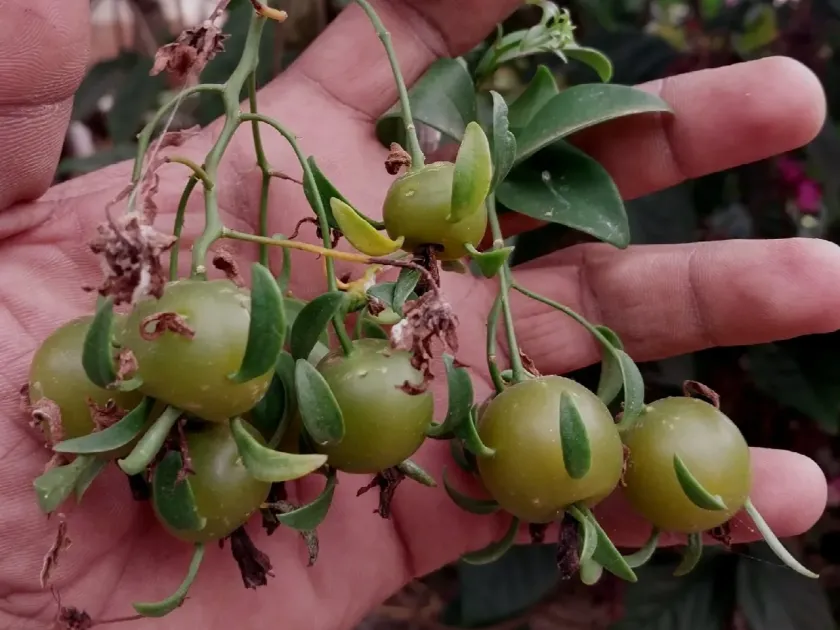
Description
Sowing dates
Propagation of Pereskia aculeata is most effectively achieved through vegetative methods, specifically stem cuttings. The optimal time for taking cuttings is during the active growth period, which occurs almost year-round in tropical climates.
Freshly cut stems, approximately 10-15 centimeters in length, should be air-dried for two to three days to allow the cut to callus, which significantly reduces the risk of rotting when planted. After callousing, they are placed into a light, well-draining substrate with a high sand content.
Seed propagation is less common but viable; it requires a stable temperature range of 22-25 degrees Celsius. Seeds are sown on the surface of the soil and must be kept in high humidity until germination occurs.
Seedlings should be transplanted after the development of a robust root system, typically two to three months after initial rooting. In temperate regions, cultivation is restricted to greenhouses or container gardens.
Planting density for commercial production depends on the intended yield; higher density is used for leaf production, while lower density is preferred for fruit-bearing plants to allow for proper canopy management.
Growing requirements
Pereskia aculeata is a unique member of the Cactaceae family, characterized by its non-succulent, fully developed leaves. Native to tropical regions of the Americas, this plant is naturally adapted to moist, forest-like environments.
The plant thrives in sunny locations but requires partial shade during the peak heat of the day to prevent leaf scorching. Unlike typical desert cacti, Pereskia aculeata demands consistent soil moisture and benefits from higher ambient humidity.
Soil requirements include fertile, well-draining medium with a neutral to slightly acidic pH. Effective drainage is critical, as waterlogging in the root zone is a common cause of fungal rot and plant failure.
The ideal temperature range for active growth is between 18 and 30 degrees Celsius. As a frost-sensitive plant, it cannot survive freezing temperatures and must be sheltered or brought into protected structures in subtropical zones.
Fertilization should be managed during the growth phase using balanced fertilizers with reduced nitrogen levels, as excessive nitrogen can lead to weak, leggy stems that are prone to mechanical damage.
Yield
This crop is highly valued for its edible leaves, which are rich in protein, vitamins, and essential minerals. In many Latin American regions, the leaves are traditionally consumed as a nutritious vegetable in soups and salads.
The fruits of Pereskia aculeata are yellow-orange berries with a pleasant flavor, widely used in fresh consumption or processed into jams and jellies. Fruit yield is influenced by the plant's maturity and adherence to sound agricultural practices.
The plant possesses significant potential for use as a living fence or hedge. Its long, sharp spines provide excellent perimeter security for agricultural lands, while simultaneously producing edible yield.
Plant biomass is increasingly being explored for its pharmaceutical and nutritional properties. Scientific studies highlight the antioxidant potential of leaf extracts derived from this species.
Under intensive cultivation, leaf biomass production can reach several kilograms per mature plant per season, providing a promising opportunity for small-scale commercial farmers.
Main diseases and pests
In greenhouse settings, Pereskia aculeata is susceptible to common pests such as spider mites and mealybugs. These pests thrive in low-humidity conditions and weaken the plant by feeding on the sap of young, tender leaves.
Fungal infections, including Fusarium wilt and various stem rots, occur frequently when the soil is kept overly wet. Preventive measures focus on maintaining strict irrigation schedules and using sterilized growing media.
Outdoors, the plant may suffer damage from slugs and snails, which consume the soft leaf tissue. Utilizing physical barriers or gravel mulching around the plant base can effectively deter these pests.
While systemic insecticides are effective, biological control methods and botanical pesticides are highly recommended, especially when growing the plant for culinary use to ensure food safety.
Regular sanitary pruning of dead or diseased branches is essential to maintain good air circulation throughout the canopy, which significantly reduces the pressure from pathogens and improves overall plant vigor.
Harvesting
Leaf harvesting is performed selectively, beginning with the lower branches, which promotes bushier growth and sustained production. Leaves should be consumed fresh or stored in cool, ventilated conditions to maintain quality.
Fruits are harvested when they reach full maturity, indicated by a bright yellow color and a soft texture. It is vital to wear heavy-duty gloves during harvest to protect hands from the plant's sharp spines.
Harvested fruits have a relatively short shelf life and are best kept refrigerated. Commercial operations often process fresh fruits into juices, concentrates, or shelf-stable jams to maximize value.
Since fruit ripening on a single plant can occur inconsistently, multiple passes through the planting area are often required during the harvest season to collect all mature berries.
Cuttings for further propagation are best collected during the autumn or spring pruning cycles, ensuring a continuous supply of material for the next production season.