
Parthenocissus semicordata
Parthenocissus semicordata
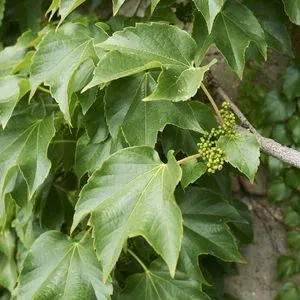
Description
Growing requirements
Parthenocissus semicordata is a robust woody vine belonging to the Vitaceae family, widely appreciated for its decorative climbing capabilities. This species originates from the mountainous regions of the Himalayas and China, thriving in temperate forest zones.
Botanically, it is defined by its distinctive semicordate leaflets and vigorous growth habit. The foliage undergoes significant color changes, starting with bronze-toned leaves in spring and transitioning to deep green, eventually turning vibrant shades of red and orange in autumn.
The plant thrives in fertile, well-draining loamy soils that maintain consistent moisture. While it can adapt to partial shade, full sun exposure enhances the vibrancy of its autumn foliage, making it a popular choice for covering walls, fences, and facades.
Cultural practices require regular watering during the first few years of establishment, especially in dry summer climates. Pruning should be performed in early spring or late autumn to maintain the desired shape and remove any damaged, dead, or diseased wood.
The species attaches itself to structures using specialized tendrils equipped with adhesive disks. This natural mechanism allows it to scale rough surfaces efficiently without the need for additional support systems, making it highly valued in urban landscaping.
Main diseases and pests
The primary threats to this vine include fungal diseases such as downy mildew, which can occur if the foliage remains wet for extended periods in humid climates. Ensuring good air circulation around the plant is critical for prevention.
Pests like aphids and scale insects occasionally infest the tender new growth. Integrated pest management, including the use of horticultural oils or soap sprays, is recommended to control populations and ensure the plant remains healthy throughout the growing season.