
Virginia creeper
Parthenocissus hybrids
Description
Growing requirements
Virginia creeper is a woody deciduous vine belonging to the Vitaceae family. It is renowned for its rapid growth, utilizing tendrils with adhesive pads to firmly attach itself to various vertical surfaces and structures.
The plant is native to North America and East Asia, from where it has been introduced worldwide as a popular ornamental species. Due to its remarkable adaptability, it thrives in almost all temperate climate zones.
For optimal growth, the vine requires sunny or partially shaded sites, although it demonstrates a strong tolerance for deep shade. The culture is highly undemanding regarding soil composition, though it performs best in fertile, well-drained loams with a neutral pH level.
Agrotechnical practices involve regular pruning to control its vigorous growth, as the plant can become invasive if left unchecked. Irrigation is primarily necessary during the establishment phase, as mature specimens are highly drought-tolerant due to their deep root systems.
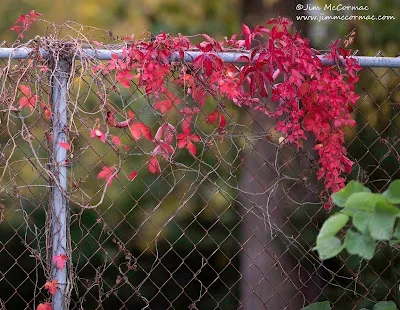
The primary use of Virginia creeper is ornamental: it is widely employed for living fences, vertical greening of building facades, and covering landscape structures. It is particularly valued for its dramatic autumn foliage, which transitions from green to vibrant shades of scarlet and purple.
Main diseases and pests
The main threats to the plant include fungal diseases such as powdery mildew, which can proliferate in conditions of high humidity and poor air circulation within the dense foliage.
Common pests affecting this vine include grape aphids and various species of spider mites, which typically target the young leaves during hot and dry weather conditions.