
Marsh grass of Parnassus
Parnassia palustris
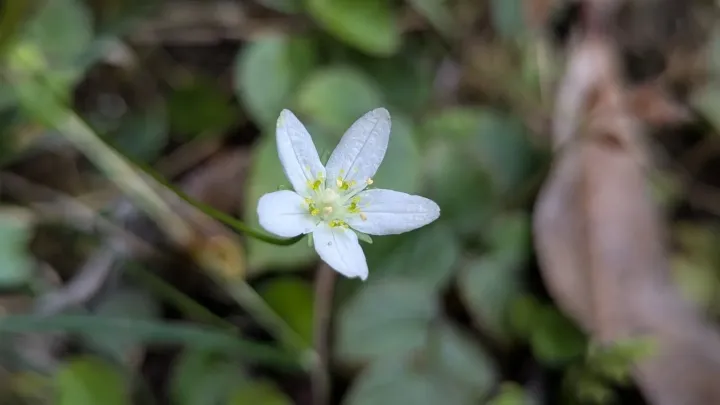
Description
Growing requirements
Marsh grass of Parnassus (Parnassia palustris) is a perennial herbaceous plant belonging to the Parnassiaceae family. This species is widely distributed in wetlands across the Northern Hemisphere, showing remarkable adaptation to moist, cold climates.
Successful cultivation requires a site that mimics natural marshland conditions. The soil should be consistently moist, rich in organic matter, and possess a pH range from slightly acidic to neutral to ensure optimal nutrient uptake and root development.
Exposure to full sun is preferred for maximum growth, although the plant can tolerate partial shade if the environmental humidity remains high enough to prevent leaf wilting. It is highly winter-hardy and requires a dormancy period to maintain its biological cycle.
Agronomic management focuses on hydro-regime control. In commercial production, precision irrigation systems are often employed to maintain a high water table, which prevents the stress caused by dry soil conditions.
The harvesting of this plant is primarily for its pharmacological compounds. Given its role as a botanical source of health-supporting substances, sustainable cultivation practices are essential to preserve the quality and concentration of active components.
Main diseases and pests
Root rot remains the most significant threat to Parnassia palustris when grown in artificial conditions with inadequate soil drainage. Fungal pathogens thrive in stagnant water if temperatures rise significantly, necessitating careful monitoring of soil health.
Gastropods, particularly slugs and snails, present a major obstacle for crop management. They are attracted to the succulent tissues of the plant, often causing extensive defoliation that can ruin the entire harvest of medicinal parts.
Weed control is vital, as the species does not compete well with vigorous grasses or broadleaf weeds. Mechanical weeding must be performed carefully to avoid disturbing the delicate surface root system of the crop.
Leaf spots, caused by various fungal strains, may occur during periods of high humidity and poor ventilation. Ensuring adequate space between individual plants promotes air circulation and significantly reduces the incidence of these diseases.
Biological pest control agents are the preferred method for managing infestations. By maintaining ecological balance in the field, growers can minimize the need for chemical intervention and maintain the organic purity of the product.